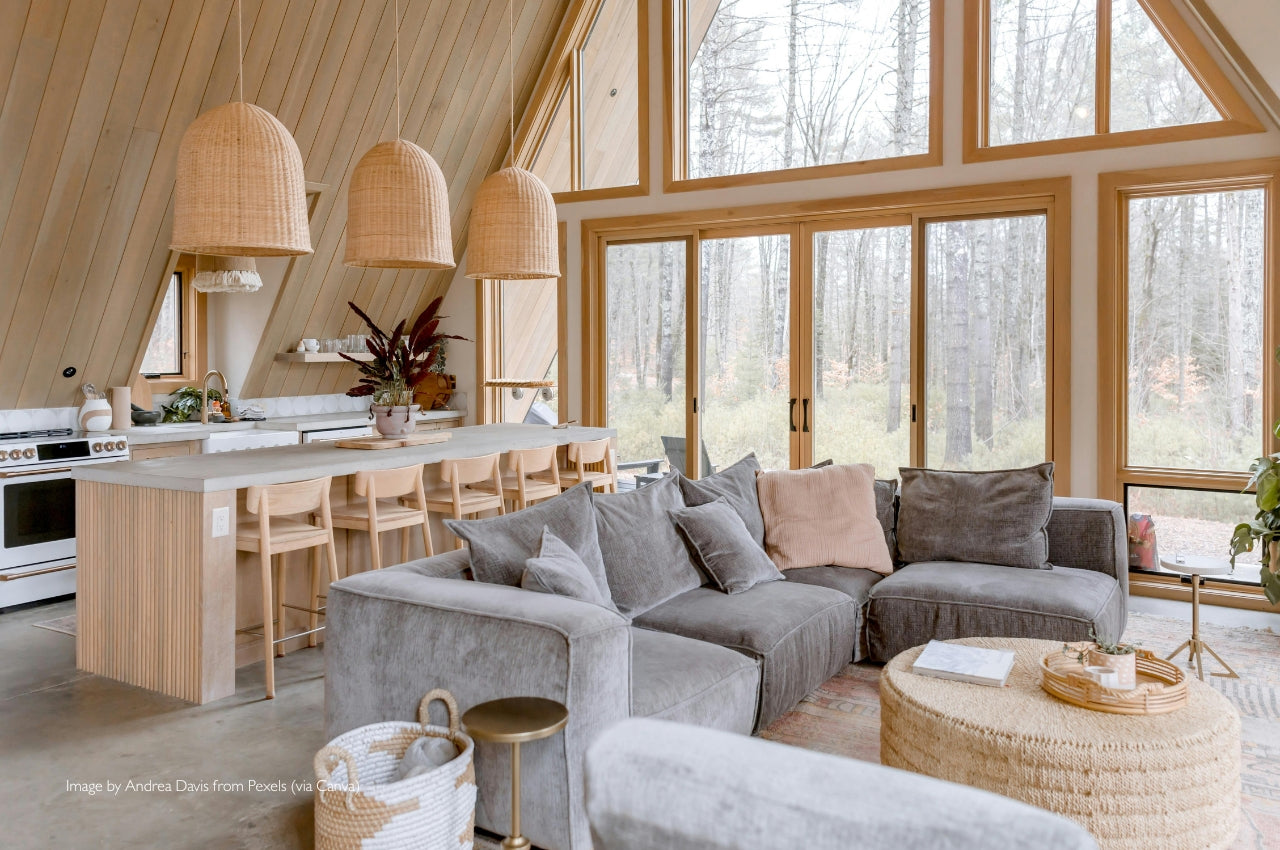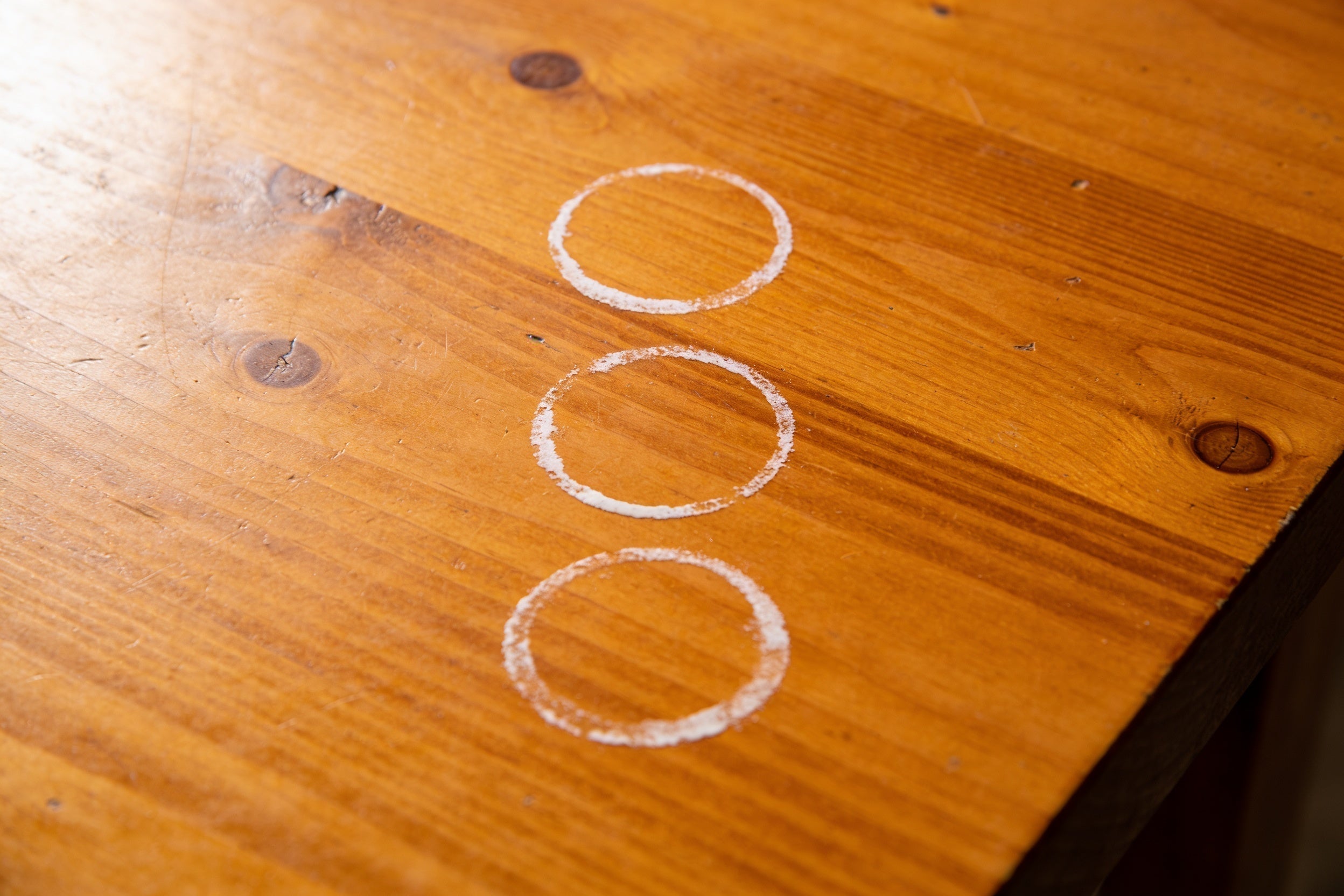
There's something about furniture made from white oak or walnut that just feels premium, and when a piece is genuinely crafted from solid hardwood, that feeling makes perfect sense. You're not imagining it. What your hands and eyes are picking up on is the unmistakable qualities of a material as exceptional as natural hardwood
Both white oak and walnut have long been favorites in fine furniture-making, prized for their durability and beauty that only gets better with age. In the right hands, both can be worked into heirloom-quality pieces, the kind that last long enough to become part of a family's story.
But for all the qualities they share, white oak and walnut have distinct features. Neither is objectively better than the other; it really comes down to which one speaks to you and how you want your space to feel.
In this guide, we'll walk through both side-by-side—color, grain, hardness, durability, pricing, and style pairings—so you can find the one that's right for your home.
Color and Grain: White Oak vs Walnut
One of the biggest differences between white oak and walnut is their appearance.
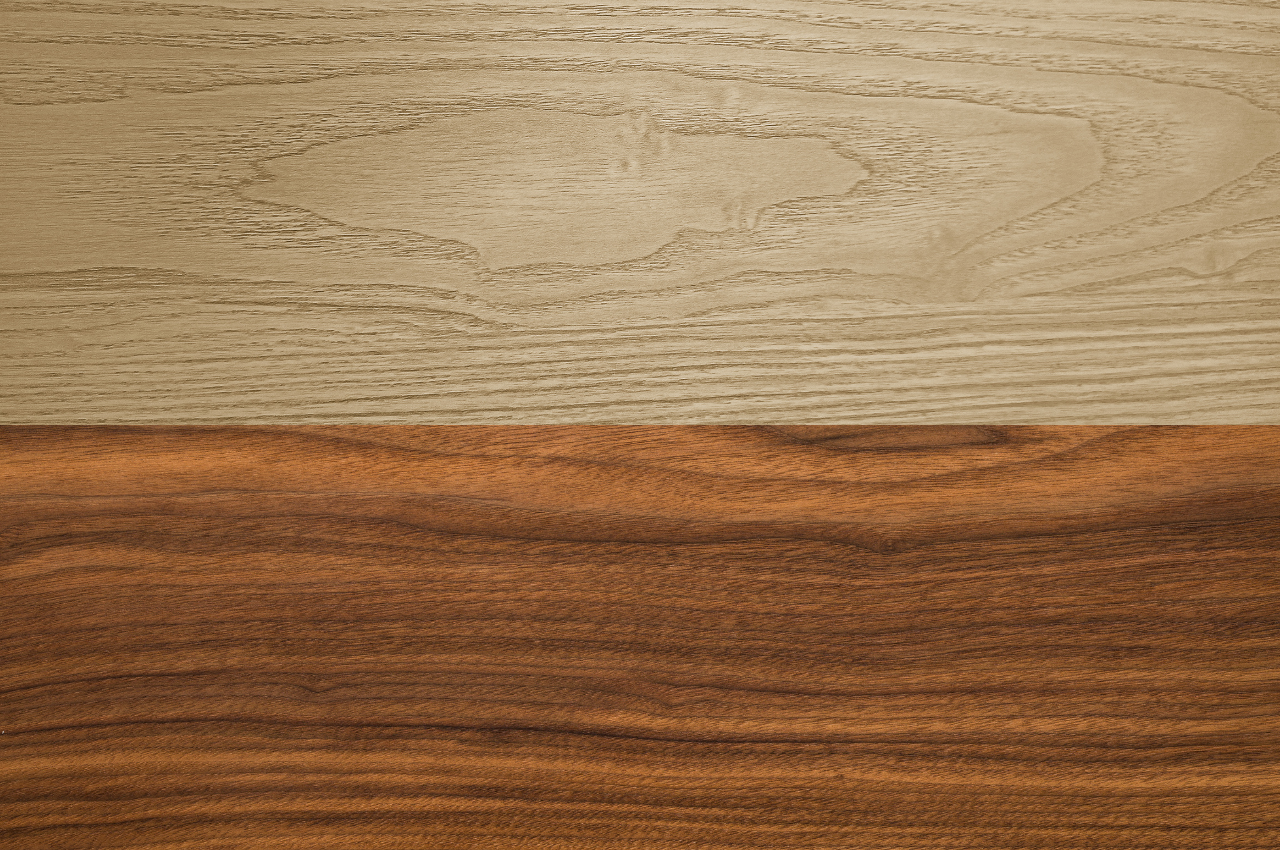
White oak (Quercus alba) has a neutral, pale beige to light-to-medium-brown tone, often with a subtle olive or golden undertone that gives it a quietly warm, organic feel. What really sets white oak apart is its grain character. It features a prominent, open-grain pattern and, most distinctively, ray flecks, which are the medullary rays that run across the grain and create small streaks or ribbon-like patterns, especially visible in quarter-sawn cuts. These ray flecks are one of the most beloved characteristics of white oak and give it a depth and texture that's truly unique to the species.
Walnut (Juglans nigra), meanwhile, is darker and more dramatic. Its color ranges from a warm, chocolate brown to a deep, dark brown, often with subtle undertones of purple, gray, or reddish tints woven through the heartwood. The lighter sapwood can sometimes appear alongside the edges of the darker heartwood, creating a natural contrast that many furniture-lovers find stunning. The grain is generally straight and relatively fine, but occasional waves, curls, and burls can appear, adding unexpected character to a piece.
| White Oak | Walnut |
|---|---|
|
|


Choosing the right wood for your home is a tactile experience. Order our solid wood sample pack today to see exactly how White Oak and Walnut wood look in your room's natural light.
Hardness and Durability: White Oak vs Walnut
Both white oak and walnut are durable hardwoods capable of lasting for decades, even generations, when properly crafted and cared for. But as with any wood furniture, craftsmanship matters just as much as the species itself. A skilled craftsperson understands how to maximize the material’s strengths and build furniture designed to endure everyday life.
White oak is especially well known for its durability. It’s a hard, dense wood with excellent resistance to wear and moisture, which is one reason it has historically been used in everything from flooring to shipbuilding and whiskey barrels. On the Janka hardness scale, white oak ranks around 1,290, making it highly resistant to dents and daily use.
Walnut is slightly softer, with a Janka hardness rating around 1,010. That doesn’t make it fragile—far from it. Walnut is a strong and dependable hardwood commonly used in premium furniture. However, compared to white oak, it may be somewhat more susceptible to dents under heavy impact.
That said, walnut furniture built by experienced craftspeople can absolutely last a lifetime and beyond. In many cases, the natural aging and patina of walnut only add to its appeal over time.
| White Oak | Walnut |
|---|---|
|
|
Cost: White Oak vs. Walnut
Both white oak and walnut require careful, responsible sourcing, more than other common hardwoods, and that's reflected in their price. In our current lineup at T.Y. Fine Furniture, white oak and walnut furniture are priced similarly, with most pieces falling in a comparable range.
Both of these species currently sit at a higher price point than cherry wood or maple wood. Rather than thinking of one as “premium” and the other as “standard,” it’s more accurate to view all of them as high-end hardwoods with different visual personalities.
✤ White oak and walnut are currently priced comparably in our collection
✤ Both are typically priced higher than cherry and maple
✤ Price reflects careful sourcing and the quality of the material
| Feature | White Oak | Walnut |
|---|---|---|
| Species | Quercus alba | Juglans nigra |
| Color | Pale beige to light-medium brown | Rich chocolate to dark brown |
| Undertones | Subtle olive or golden | Purple, gray, or reddish hints |
| Grain Pattern | Prominent open grain with ray flecks | Mostly straight, occasional waves, and burls |
| Janka Hardness | 1,290 | 1,010 |
| Moisture Resistance | Excellent (tyloses-filled pores) | Moderate |
| Durability | Very high | High |
| Workability | Good | Excellent |
Which Hardwood Is Right for You?
Every few years, people start asking whether white oak or walnut furniture is “going out of style.” But in reality, it’s rarely the wood itself that dates a piece: it's the design.
Both white oak and walnut are timeless hardwoods that have been used in furniture for generations. Moreover, both are remarkably versatile and can suit almost any room or interior style. When paired with clean, timeless design, either wood can feel contemporary, traditional, minimalist, rustic, or somewhere in between.
So which hardwood is right for you? Honestly, it comes down to what speaks to you visually. The “better” wood is simply the one whose color, texture, and character you find yourself naturally drawn to every time you walk into the room.
Best Style Pairings
Both white oak and walnut can work beautifully across many interior styles, depending on the furniture design. Over the years, though, we’ve noticed certain tendencies in how people like to use them.
✤ White oak works especially well in Scandinavian, Japandi, minimalist, modern farmhouse, and contemporary interiors. Its lighter color and visible texture help spaces feel bright, calm, and natural.
✤ Walnut transitions beautifully between mid-century modern, contemporary, traditional, and luxury interiors. Its darker color naturally adds warmth, contrast, and elegance.
White Oak and Walnut FAQs
Which is cheaper, oak or walnut?
In our current pricing at T.Y. Fine Furniture, white oak and walnut furniture are priced similarly across most of our pieces. Both sit at a higher price point than some other domestic hardwoods like cherry or maple.
Is walnut better than oak?
Not necessarily. It really depends on what you're looking for. White oak offers superior hardness and moisture resistance, while walnut brings a rich, warm color and excellent workability. Both species are stunning and, in the hands of skilled craftspeople, can be shaped into heirloom-quality furniture built to last for generations.
How long does walnut furniture last?
When it's properly built and well cared for, walnut furniture can last a lifetime, even generations. There are walnut pieces well over a century old that are still in daily use. Quality construction and a good finish make all the difference.
Which is better for furniture, white oak or red oak?
White oak is generally the preferred choice for fine furniture. Its tighter grain, natural moisture resistance, and distinctive ray flecks give it an edge in both performance and appearance. Red oak is good enough in its own right, but white oak is the one you'll find in premium fine furniture workshops.
Is white oak going to go out of style?
Not anytime soon, and honestly, if the furniture is designed with a timeless and clean silhouette, the species matters less than the design itself. A beautifully proportioned white oak dining table will feel just as relevant in 30 years as it does today. Good design ages well, and good wood ages even better.
Where can I buy oak or walnut furniture in the US?
Right here. T.Y. Fine Furniture is a small, passionate team of craftspeople based in Columbus, Ohio. Every piece we make is built by hand using premium domestic hardwoods and finished with our own organic, food-grade wood finish. We have a showroom in Columbus with another location coming soon—and our full collection is available online. We'd love to help you find the piece that's right for your home.