We’ll start by saying that it’s not like us to chase trends. But the analog trend feels different, mainly because it’s not just about aesthetics: it’s something more intentional. As we see it, going analog is a movement that asks us to slow down, disconnect, and rediscover the pleasure of physical, tactile living. And honestly, we’re all about it.
But what does it actually mean to go analog, and why is everyone talking about it in 2026? Is this something we can apply to our homes? We get into all of it below.
What Does “Going Analog” Mean?
Going analog basically means putting your phone down to be present, in favor of something more physical, tactile, and intentional. Deliberately. It’s about reducing screen time and digital connectivity for more genuine experiences.
Now, you might ask, “Isn’t this just digital detox?” Well, the way we see it, going analog is a little different because it’s less of a break and more of a shift in values. With digital detox, you occasionally unplug and then return to the same habits. Going analog is more about gradually reshaping your relationship with technology so that the default isn’t always being chronically online. Think of it as building a life where more physical experiences feel just as natural and inviting as the digital ones.
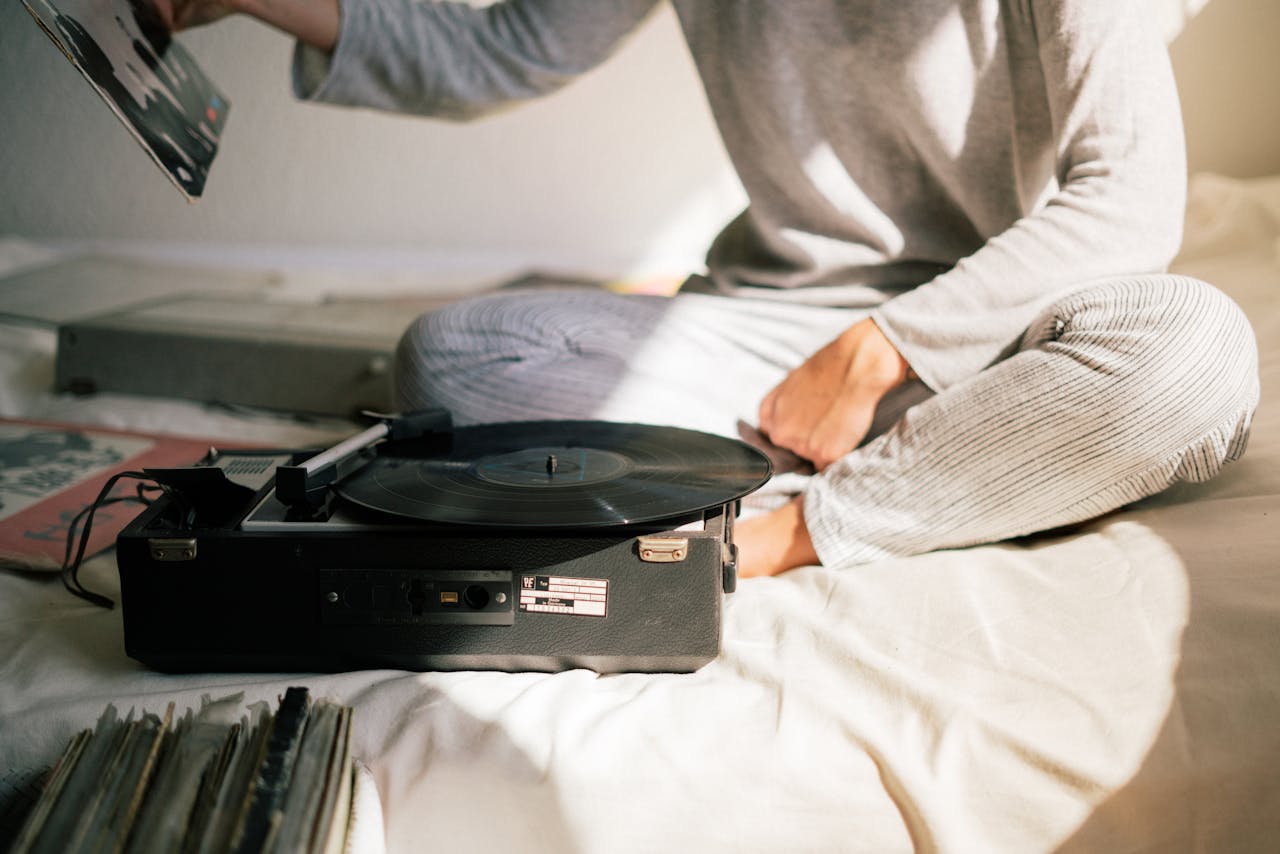
And, how do people do this exactly? In practice, going analog looks different for everyone. For some, it can be small swaps, like reading from a paperback instead of an e-book, putting on a record instead of using Spotify, or journaling with a notebook and pen instead of the Notes app. For others, it’s more of a lifestyle switch, like picking up hobbies and interests that keep the hands occupied, such as pottery, baking, or knitting. On a social level, going analog may look like book clubs and game nights, without the screen mediating the experience.
Why Is It Trending in 2026? How Can It Affect Homes?
The analog trend didn’t come out of nowhere, and the reason it’s having a moment in 2026 isn’t hard to understand either. It started as a fascination, mostly among Gen Z and late millennials, with the Y2K aesthetic, an era many of them barely lived through. But as it turned out, people weren’t just drawn to how the early 2000s looked. They were drawn to how it felt.
The past few years saw digital dependence reach new heights. Increased screentime in which we’re constantly fed bad news or targeted with so much marketing, not to mention the rapid rise of AI, created a kind of collective overwhelm, and with it a telling shift in behavior: a desire to be somewhere other than a screen. People were trying to reach out to an era that felt simpler and more authentic...and less dominated by algorithms and artificial intelligence. In this regard, the analog perhaps took shape as a response to fatigue, mostly triggered by digital use.
It seems that the analog trend rode in on that wave of nostalgia. And at some point, what started as an aesthetic became more like a movement about living with more intention, with more tangible experiences, the way it was done during simpler times, until it finally had a name.
This shift in mindset is finding a way to approach their spaces. It only makes sense. If we’re choosing more present and intentional lives, with a desire to reshape our relationship with digital connectivity, it follows that our spaces should help us facilitate this.
 Photo by George Milton from Pexels
Going Analog at Home in 2026: Simple Ways to Do It
1. Create a Tech-Free Corner
There is no need to clear out a room to restyle it completely or set a huge renovation budget for this project (unless you totally want to). The simplest way to embrace the analog trend at home is to pick out one spot in your home, an unused corner, where you can set up a refuge and enforce one basic rule: no screens in this zone.
Set it up for whatever draws you in. A good reading chair by a window where natural light floods in, with a pile of books nearby. A small table at the end of a hallway, equipped with good lighting, plus a journal and a pen. A media console with a record player and a stack of vintage vinyls instead of a TV.
The physical setup matters more than you think. If the seating isn’t comfortable, you won’t stay. So choose pieces for this corner wisely.
2. Give In to Nostalgia
A big part of the analog trend’s appeal is the nostalgia element, which is deeply woven into this movement. Older objects carry history and a “lived-in” texture that newer, mass-produced things can’t replicate—the very reason why a mid-century modern armchair or a gallery wall of printed photographs feels more alive in a room of brand new things.
You don’t need to redecorate to tap into nostalgia. Sometimes, it’s as simple as displaying objects you already love, especially those with a colorful story, and letting them take up more space.
3. Celebrate Biophilic Elements
Biophilic design, to put it briefly, is about bringing natural elements into the home, and it fits the analog ethos perfectly. Plants, natural light, organic textures, and earthy tones all help create spaces that feel grounding—and no analog corner feels quite right without some living greenery.
This, too, doesn’t need to be complicated. A trailing plant on a bookshelf, a vase of dried stems, and a jute rug underfoot are a few among many things that can be added to your space and soften it. The goal is simple: a space that feels connected to the natural world, calm, tactile, and a little bit more alive.
4. Bring Out Your Old Stuff
Before you buy anything, look into your items in storage. Chances are, the things you need to complete your “analog” home might already be hiding in boxes, such as the board games at the back of the closet, the CD collection that hasn’t been touched in years, or the puzzle reserved for long holidays.
Give them a visible spot in your home to serve as invitations. A board game on the coffee table gets played far more often than one tucked away. Visibility helps create a habit, and habit reshapes the life you're trying to build.
Is There a Risk to the Analog Trend?
Yes, and it’s worth exploring in this post. The analog trend, like most lifestyle movements, has been absorbed by consumer culture with remarkable speed. Suddenly going analog looks like buying a specific journal, a type of camera, or a particular woven basket.
Overconsumption is perhaps the antithesis of everything this movement stands for. Part of the point is to step back from the cycle of wanting and buying, especially through digital overexposure. Yet, the aesthetic pipeline has turned it into yet another shopping list. A tech-free corner doesn’t require a single new purchase. A games night doesn’t require a dedicated games room with custom millwork.
The most radical act within this trend is to resist buying your way into it.
How to Go Analog Responsibly at Home
If the analog trend is about intention, then how you build it into your home should be intentional, too. That means pausing before you purchase, looking at what you already have, and making choices that actually serve the life you want, not just the aesthetic.
Choose Things with Intention
If you do bring something new into your home, ask whether it will genuinely change how you spend your time—or whether it’ll just sit there looking the part. A beautiful journal is worthless if it stays on the shelf. A record player is wonderful if music is something you actually want to engage with more slowly and deliberately.
Choose objects that invite use. One carefully chosen piece you return to every day is worth more than ten things that decorate without purpose.
No Need to Buy Brand New. But If You Must, Choose Quality
The secondhand market is a natural home for the analog aesthetic. Old books, inherited furniture, thrifted ceramics—these objects carry exactly the history and texture that make analog spaces feel genuine rather than staged. Shopping vintage is also just more aligned with the spirit of what this trend is actually about.
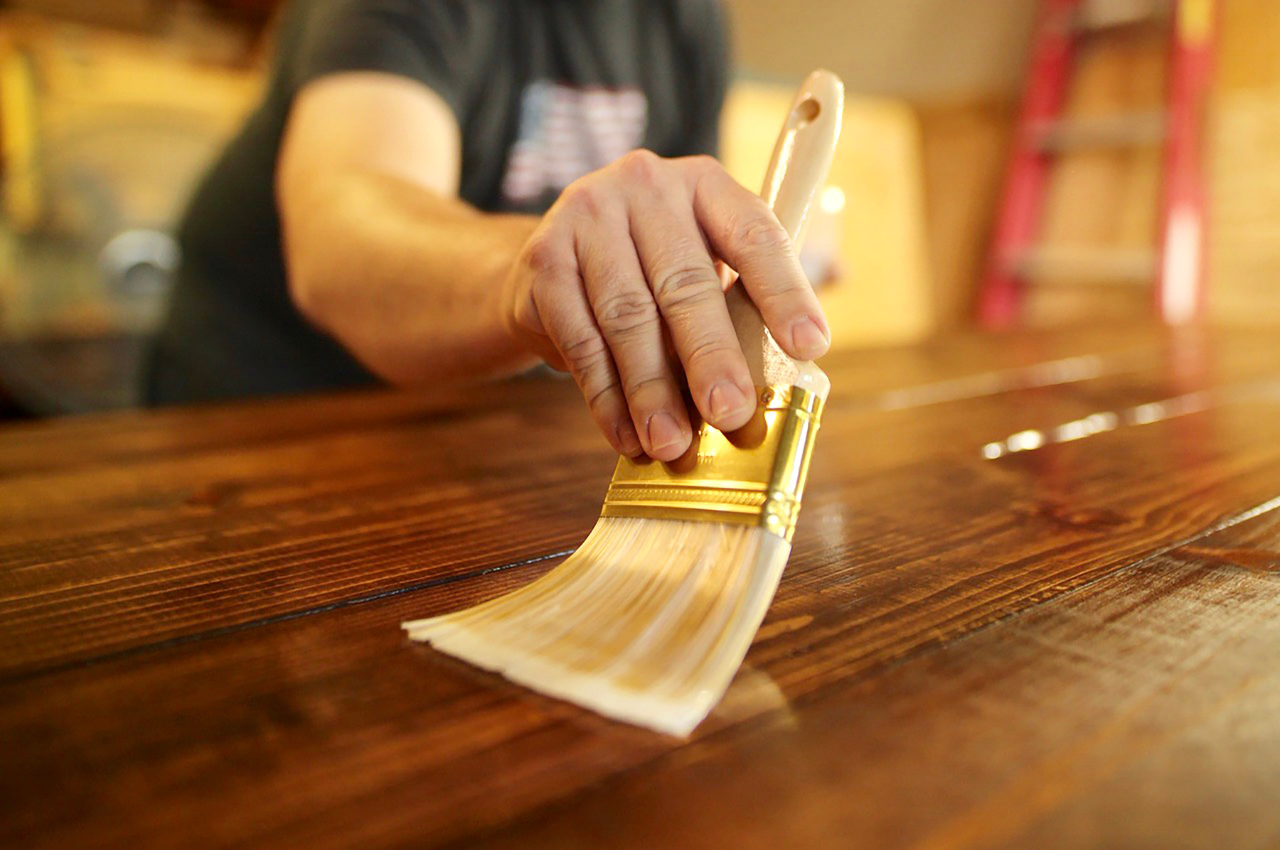
If buying new is truly the right call, go for quality. A well-crafted piece of solid wood furniture will age beautifully and last for decades; a cheap imitation won’t. And here’s an idea we love: instead of buying new furniture, give life to something old. Refinish a tired dresser, reupholster a chair, give a hand-me-down a fresh coat of paint. It’s hands-on, screen-free, and deeply satisfying, which is, come to think of it, exactly what the analog trend is about.
Use What You Already Have
This is the simplest principle and probably the most powerful one. Your home almost certainly already contains the building blocks of an analog life: unread books, forgotten games, a kitchen that invites cooking from scratch, and a plant that needs tending.
Look at your space not as something that needs updating, but as something that needs activating. The tech-free corner you want already exists in your home. The analog life is already within reach. You just have to look up from the screen long enough to find it.
Featured photo by RF._.studio _: in Pexels