Buffet, sideboard, credenza. Are those different types of furniture, or are furniture makers simply using different words for the same piece? The answer is somewhere in between. All three pieces share the same fundamental form: long, low, and built for storage. Each piece carries distinguishing features, but today, the terms are often used interchangeably as furniture has become more versatile and multifunctional. Still, understanding the differences between them, no matter how minimal, can make it easier to shop for the right furniture for your dining space.
What Is a Buffet?
We’re all familiar with the word “buffet” in the context of a spread laid out for guests to help themselves to, and perhaps that’s exactly where this piece of furniture gets its identity. Traditionally placed in the dining room, a buffet was designed to function as a serving station. Its wide, sturdy top surface held food during gatherings, while the cabinets and drawers below kept dinnerware, linens, and other table essentials within easy reach.
Buffets typically sit around waist height, making the surface comfortable for serving. They’re often long and wide, with slightly taller legs that give the piece a more elevated silhouette. The result is a look that feels a little lighter and airier compared to a sideboard or credenza.
What to look for:
✤ Long, wide profile with a generous surface for serving
✤ Waist-height build, often on taller legs
✤ Concealed storage through cabinets and drawers
 This is the Enso Solid Wood Buffet in cherry with walnut handles.
What Is a Sideboard?
The sideboard is designed to sit along the side of the dining room, tucked neatly against the wall and away from the main dining table. Compared to a buffet, it often feels a little more compact—slightly shorter in length and lower to the ground, with a generally less imposing presence.
Functionally, though, a sideboard serves much the same purpose. It typically features a combination of drawers and doors for storing dinnerware, linens, and other dining essentials. The biggest distinction really comes down to its proportions and silhouette rather than any major difference in how it serves the dining room.
What to look for:
✤ More compact and shorter in length than a buffet
✤ Designed to sit flush against a wall, at the side of the room
✤ Low-profile build with short legs or a grounded base
What Is a Credenza?
The credenza has the most interesting backstory of the three. Its origins trace back to medieval Europe, where it was used in noble households as a formal serving piece—food was placed on it before being tasted for poison. Even the word itself comes from the Italian *credere*, meaning “to believe” or “to trust.” Over time, the credenza evolved into a standard dining room cabinet, eventually becoming one of the most versatile storage pieces in the modern home.
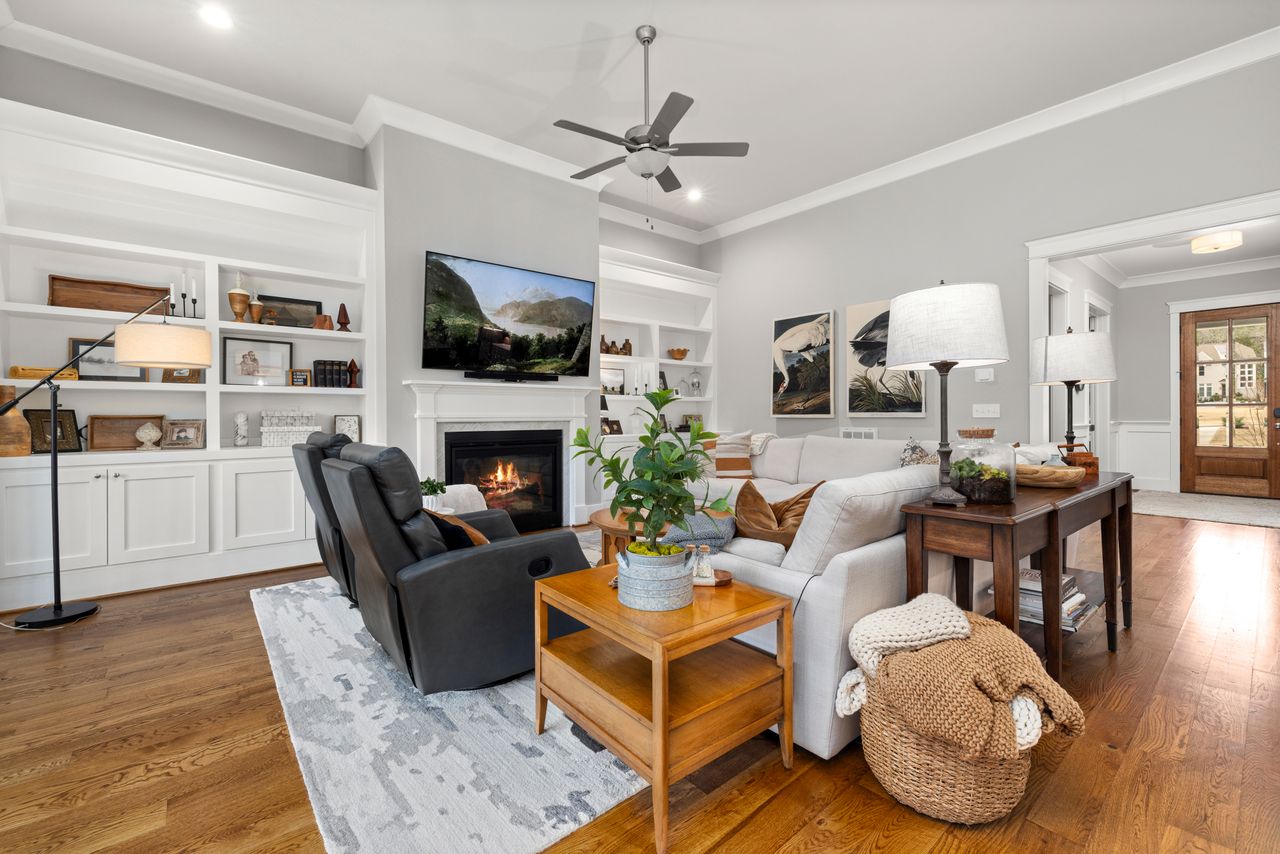
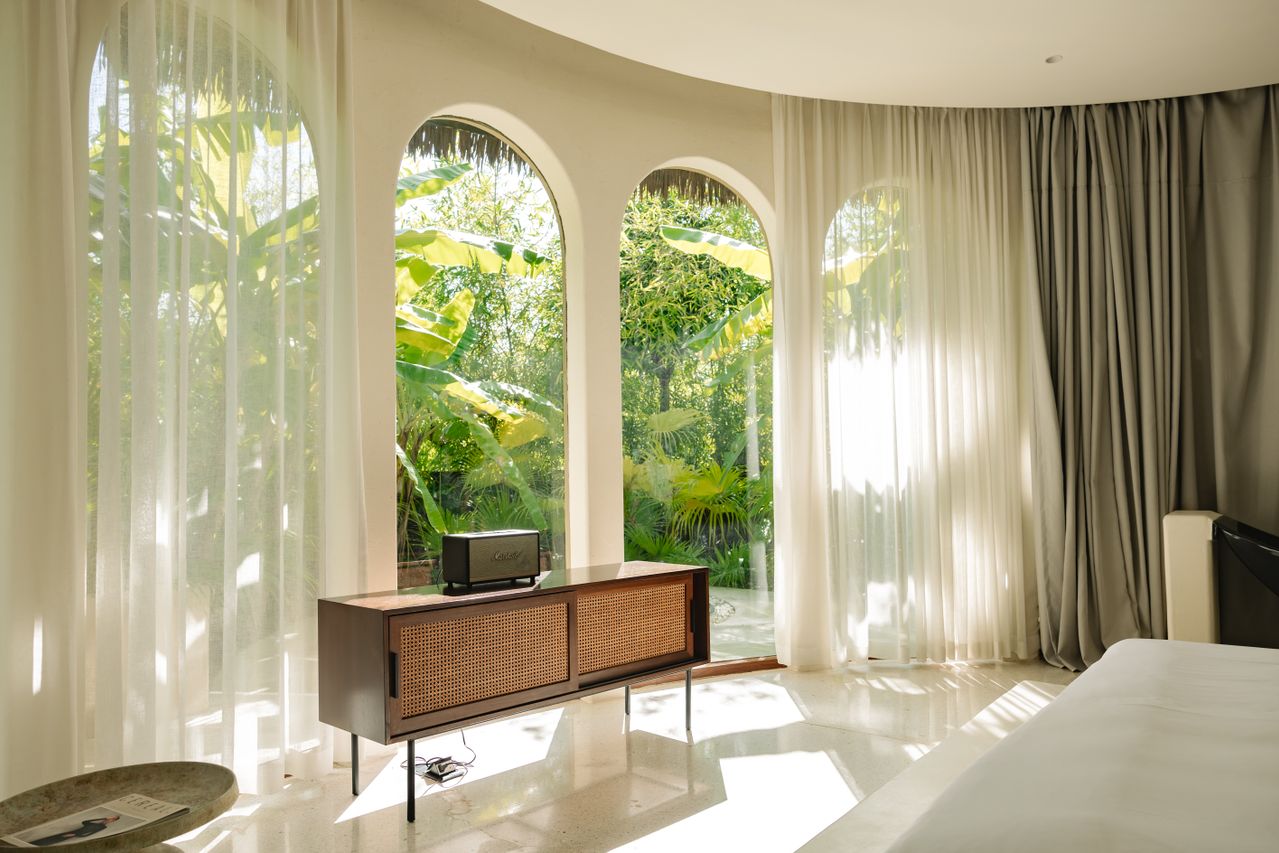
Today, the credenza is more versatile. You’ll find it in living rooms as a media console, in entryways as decorative storage, behind desks in home offices, and, of course, still used in dining spaces for dishware. Compared to buffets and sideboards, credenzas tend to have a lower, more streamlined profile, often paired with a cleaner, more minimal exterior that adapts easily across different rooms and design styles.
What to look for:
✤ Long, low profile, sometimes lower than a buffet or sideboard)
✤ Versatile design that fits well in a living room, office, or dining area

Buffet, Sideboard, or Credenza: Which One Is Right for Your Home?
In truth, as mentioned earlier, there’s a great deal of overlap in using the terms buffet, sideboard, and credenza. This is because the way we use furniture has changed dramatically as more homes today are more flexible and multifunctional. A piece labeled as a buffet in one collection may easily be called a sideboard somewhere else. A credenza might function exactly like both.
Rather than focusing too heavily on labels, it’s often more helpful to think about:
✤ The overall style of your home
✤ The kind of storage you need
✤ Where you plan to display the piece
✤ How you plan to use it
✤ The craftsmanship and material
Our current collection includes several storage pieces worth considering. If you want something designed with the dining room specifically in mind, you may naturally gravitate towards the Enso Buffet. If you're looking for a piece with more flexibility, something that can work just as well in a living room or home office, the Modern Credenza may be the better fit. They are built from premium hardwood and finished with the same care as every piece we make, and both will serve your space well for years to come.
Where to Find Quality Solid Wood Dining Storage
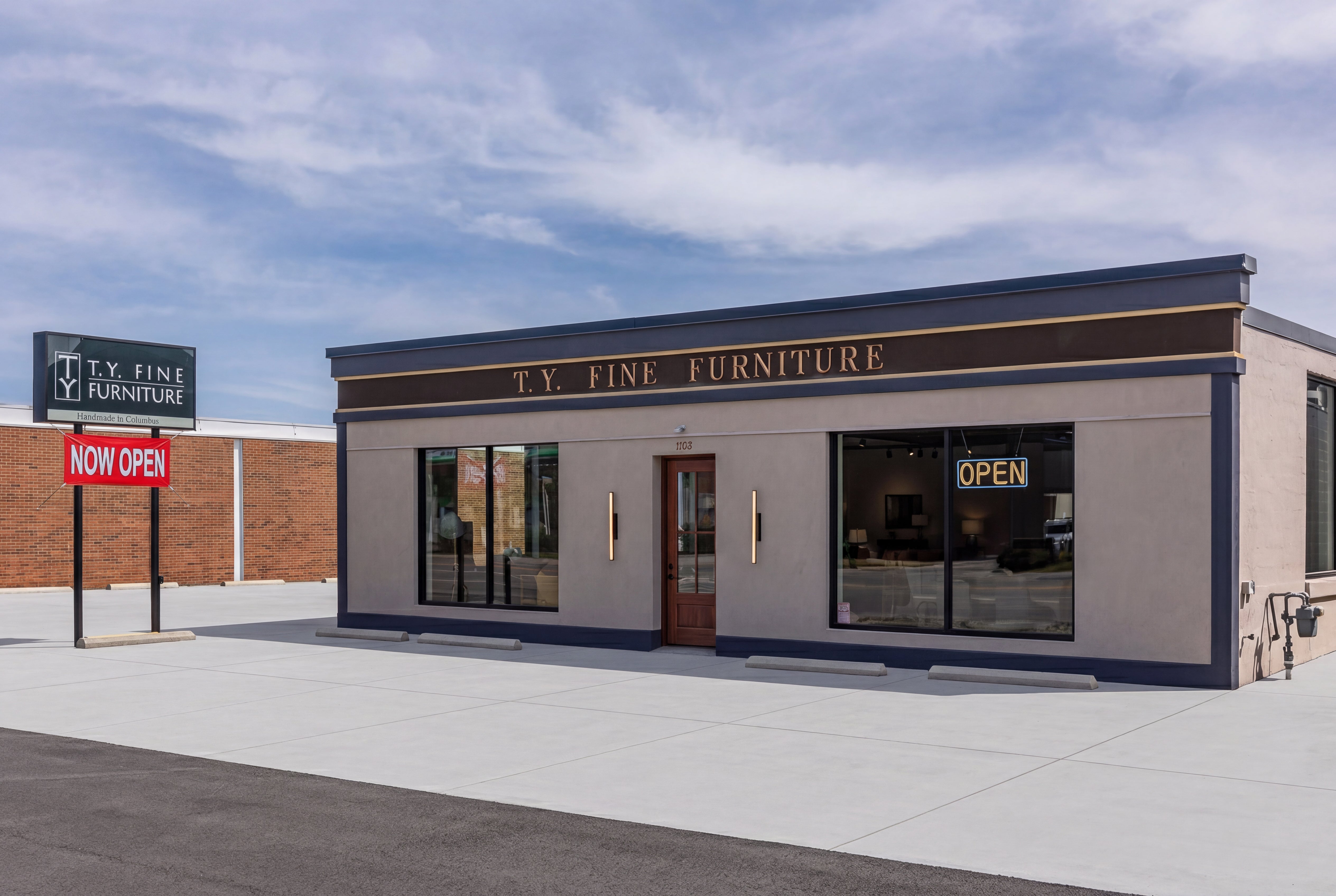
At T.Y. Fine Furniture, we handcraft buffets, sideboards, and credenzas in our workshop in Columbus, Ohio, using solid domestic hardwoods and our own organic, food-grade wood finish. Every piece is built to last and designed to feel at home in yours for years to come.
You're welcome to browse our dining room collection online or visit our Columbus showroom to see the pieces in person. Solid wood furniture reads differently up close—the scale, grain, and finish are easier to appreciate when you can see and touch them directly. If an in-person visit isn't possible, wood samples are available to order. Either way, we're always happy to help you find the right piece.