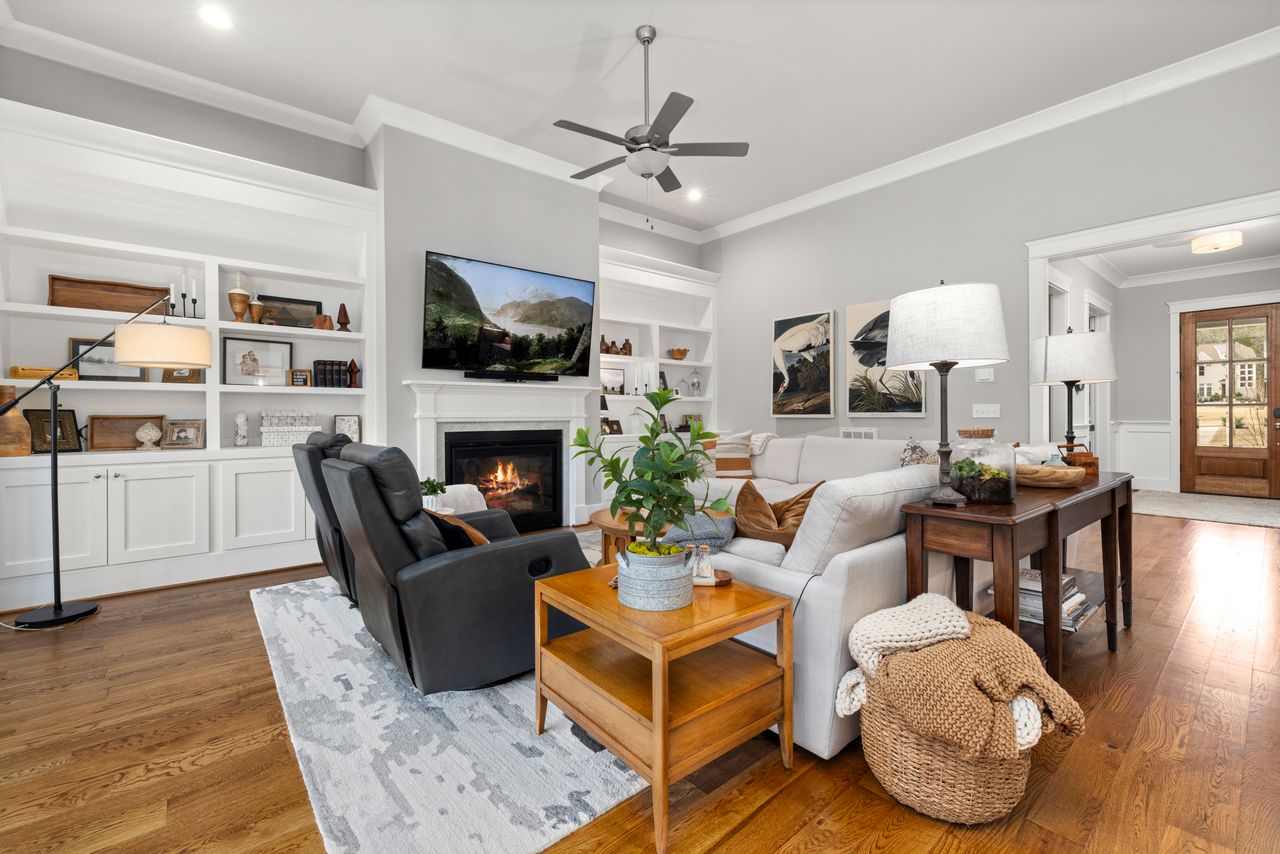
Are you in the process of furnishing your living room? If so, you have most likely come across both sofa tables and console tables. While these two pieces of furniture look remarkably similar, they serve distinct roles in your home’s design and layout. Understanding the subtle differences between a sofa table and a console can help you choose the perfect piece to elevate your space. Let’s dive into what makes each one unique.
What Is a Console Table?
A console table is a slim, narrow table typically used in entryways and hallways, spaces where you want something more functional and stylish without taking up too much room. One thing that sets it apart from other living room tables is its height. Console tables stand taller, closer to the height of a dining table, sometimes even more. That said, these pieces have a bit more flexibility in sizing, generally, since they aren’t built to accommodate chairs.
Think of a console table as the piece of furniture that greets you, or your guests, the moment you walk through the door. It’s the perfect space for a curated display of decor, something welcoming to set the mood for the rest of the space, and a bit of storage for essentials you need on the go, like car keys. In a hallway, a console table fills that stretch of empty wall space without making the area feel crowded.
 If you're looking for a stylish, timeless option, take a look at our Cantilever Console. This piece is designed to bring subtle elegance to any entryway or living space.
What Is a Sofa Table?
A sofa table is exactly what it sounds like: a table designed to accompany a sofa, specifically the space behind it. A console table placed against the back of a sofa can just as easily be called a sofa table. The two terms often overlap, and the placement is really what defines it.
As the name suggests, sofa tables are often used in living rooms, particularly in layouts where the sofa “floats” in the room instead of sitting against a wall. This is especially common in open-plan layouts, where the back of the sofa may face a dining area, kitchen, or walkway. In these layouts, a sofa table helps visually anchor the seating area and makes the arrangement feel more complete.
When it comes to sizing, a good rule of thumb is to choose a sofa table that's slightly narrower than the back of the sofa, leaving at least an inch or so on either side. It's a small detail that makes a noticeable difference in how balanced the final ensemble feels.
One more thing worth keeping in mind: a sofa table doesn't have to be a traditional table at all. Depending on your needs and how much space you're working with, a dresser, a desk, or a storage cabinet can work just as beautifully behind a sofa and often adds a layer of function that a purely decorative piece doesn't.


If you're looking for multifunctional alternatives, check out our Modern Dresser and Enso Desk.
Console Table vs Sofa Table: What's the Difference?
The biggest difference between a console table and a sofa table comes down to one thing: placement.
A console table is the broader category. It can live in an entryway, a hallway, a dining room, or a living space, basically anywhere a slim, narrow table makes sense. A sofa table, on the other hand, is less about a specific style of furniture and more about how it's being used: behind a sofa. Because of this, many sofa tables are technically console tables in terms of design and proportion. The distinction is less about construction and more about context.
Similar post: Nightstand vs Side Table vs End Table: What's the Difference?
How to Pick the Right One
Choosing between the two ultimately comes down to your space, your layout, and what you actually need from the piece.
If your sofa sits against a wall, a sofa table likely isn't necessary, and in that case, a console table in your entryway or hallway will probably do more for the space. But if your sofa backs up to an open area, particularly in an open-plan home, a sofa table can make a quiet but meaningful difference. It defines the living area, fills what might otherwise feel like awkward space, and gives the whole arrangement a more considered, cohesive look.
It's also worth thinking about how you plan to use the furniture day-to-day. If you need a surface for a lamp, some books, or a piece of art, a traditional console or sofa table is a good choice. If you need storage or a bit of workspace, something like a dresser or a low desk behind the sofa might serve you better.
And if you have enough room, there’s no reason you can’t incorporate both. A console table at the entrance and a sofa table in the living area can work together to make a home feel layered and lived-in, in the best possible way.
Featured Photo by Curtis Adams from Pexels