If you’re serious about investing in high-quality, handcrafted, solid wood furniture, white oak is likely already on your radar. Most people know white oak is incredibly durable, which is reason enough to consider it, especially for furniture you expect to last. But durability is only one trait.
Why does white oak furniture continue to be one of the most sought-after choices for designers and homeowners alike? In this white oak furniture guide, we’ll explore the features that make white oak so enticing in homes and why it may be the best choice for yours.
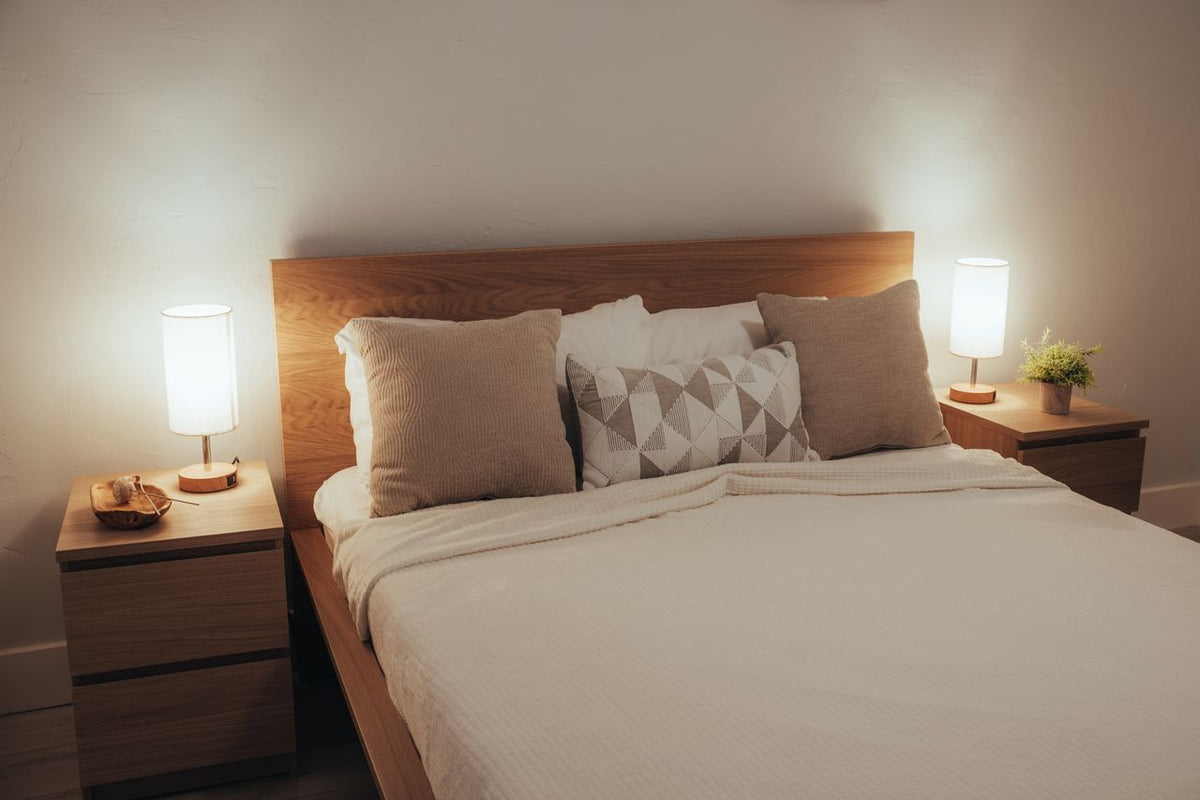
White oak works with almost any interior style.
One of white oak’s greatest strengths is its versatility, and much of that comes down to its color: naturally light tan to medium brown, with a golden, olive, or gray cast, depending on the wood itself and how the light hits it. It's neutral enough to pair with a plethora of colors, both warm and cool, but never flat or characterless, so that it fades into the background.
To understand how white oak’s color makes it versatile, let’s compare it with other popular domestic wood species. Each one is beautiful in its own way, but people may be drawn to different qualities:
✤ Cherry has a distinctive, reddish-brown color that many homeowners love, though some may find it a little too warm or traditional for their taste.
✤ Walnut is undeniably stunning with its rich, dark colors, but in certain interiors, this depth can feel somewhat heavy.
✤ Hard maple sits at the lighter end of the spectrum, with its creamy white color. While bright and fresh, some people may find it lacks the warmth they’re looking for in natural wood furniture.
✤ White oak strikes a balance, a sort of compromise, between all three. It has a touch of warmth without being overly cozy, depth without feeling too dark, and enough lightness without tipping into “sterile”. This balance is what allows it to work like a chameleon across a wide range of interior styles.
White Oak, Cherry, Maple, and Walnut
These are all excellent hardwoods. But which one is the best material for the design you're imagining? Having wood samples can help you decide.
It naturally fits in with the organic modern aesthetic.
Today’s interiors are increasingly moving toward spaces that feel modern and functional, but still grounded, something with a little lived-in warmth. White oak is well-suited to go along this direction, especially with the visual texture it provides.
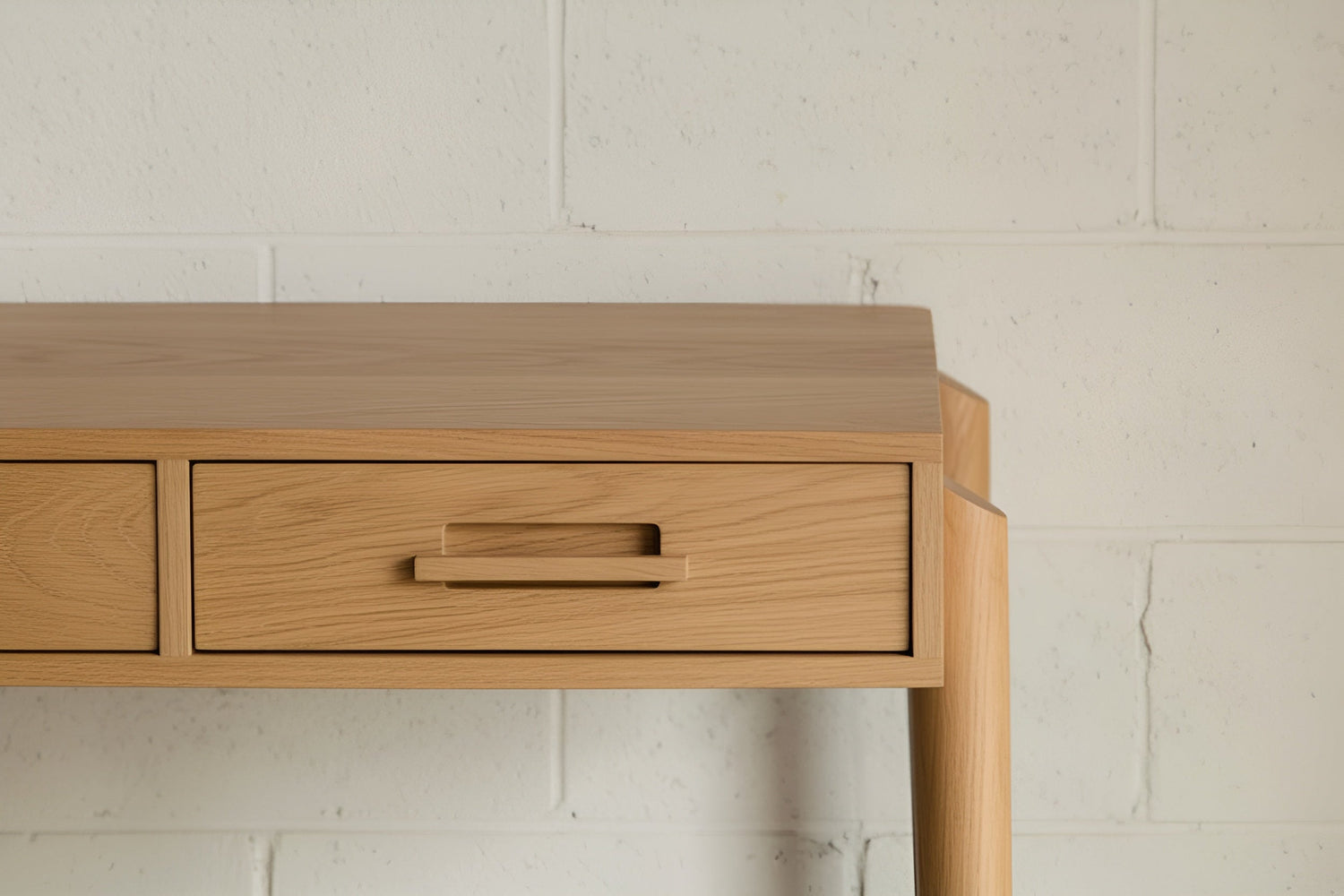
Quarter-sawing white oak reveals its medullary rays, the ray flecks, appearing like an iridescent ribbon-like figure, which gives it character. These markings or patterns on furniture introduce an organic texture to spaces, without veering into overly rustic, perhaps in comparison to a wood species like hickory or reclaimed wood. This is the kind of detail that fits naturally in a Japandi and Scandinavian interior or wabi-sabi-inspired space.
Of course, the furniture design itself plays an important role. Clean silhouettes, simple details, and timeless craftsmanship allow white oak furniture to complement current trends while remaining relevant for years to come.
This wood ages well.
Genuine white oak furniture ages well, as expected from natural hardwood. Unstained, it starts as a light tan and gradually shifts toward a deeper honey or medium brown. The change is gradual, and the result is a piece that looks more settled with age rather than worn out.
Again, white oak is strong and durable.
White oak earns a reputation for being a hardy wood. On the Janka hardness scale, which measures the force required to press a steel ball into the wood's surface, white oak has a rating of 1,360 lbf. This puts it well above cherry (995lbf) and walnut (1,010lbf), and only slightly lower than hard maple (1,450lbf).
Thanks to its dense structure and tightly packed grain, white oak isn't just resistant to daily wear and tear; it also has some level of water resistance. This combination helps it hold up well in high-traffic areas and handle the demands of a busy family life.
White Oak Furniture Guide: Tips for Choosing Quality Pieces
Not all white oak furniture is created equal. If you're shopping for a piece that will last for decades, keep these tips in mind:
Make Sure It's Solid Wood
Choose furniture made from solid, natural hardwood rather than particleboard or MDF with a white oak veneer or a plastic laminate of white oak. Solid white oak will outperform veneers over the long term, especially since it ages gracefully and can be refinished.
Pay Attention to the Construction
Quality craftsmanship matters. Look for furniture that uses durable joinery methods such as mortise-and-tenon and dovetail, rather than relying solely on nails, screws, or staples.
Consider the Finish
White oak takes stain well, but many people prefer letting the natural color develop on its own, protected by a finish that can highlight the natural wood grain. Avoid overly dark stains or finishes with a glossy sheen if you want to preserve the wood's natural character.
Understand Grain Variations
White oak can vary significantly in appearance depending on how it is cut. Quarter-sawn white oak showcases dramatic ray flecks and a more uniform grain pattern, while plain-sawn white oak results in that "cathedral" pattern grain.
Choose Timeless Designs
When choosing white oak furniture, it's often best to lean toward simple, timeless designs. Pieces with clean lines and balanced proportions can transition naturally between evolving interior styles.