Browse photos of contemporary and transitional interiors, and you’ll probably notice that they have distinctly different features. Even if you can’t immediately identify why, one space may feel sleek and current while the other softer and more timeless. Interestingly, both styles draw inspiration from multiple design movements, but they interpret those influences in very different ways.
What sets them apart? How do those differences influence the furniture associated with each style? Let's take a closer look at what makes spaces contemporary and transitional and see how those features translate into furniture.
What Is Contemporary Style?
At its core, contemporary style captures what feels fresh and “of-the-moment” at any given time. Its sleek, current feel comes from the influences of Art Deco, modernism, futurism—the clean line, simple silhouettes, and the “less is more” and functional styles we’ve grown accustomed to since the early 20th century. The style itself emerged in the 1970s, alongside the rise of postmodern design.
Unlike a style rooted in one era with a fixed set of features, contemporary design keeps changing, continuously adapting as trends, materials, technology, and our lifestyles evolve. What feels contemporary today may look entirely different a decade from now.
Looking back at recent decades makes this easy to see. The 2000s until the present have brought Zen-inspired minimalism alongside industrial and farmhouse styles, giving contemporary design of the time a "less is more" quality with occasional rustic touches like exposed beams and brick walls. There was also the rise of eclectic boho style, which brought unique textile patterns, sometimes juxtaposed with the simpler, cozier Scandinavian aesthetic. More recently, the bold, colorful "dopamine" decor became very trendy, and of course, something from the past keeps reviving, like mid-century modern design and Bauhaus. Each era left its own mark, yet contemporary design ran through all of them, absorbing what came before, evolving with it, and shifting again as each new period took shape.

Because of this constant motion, contemporary interiors resist a single, fixed definition. Instead, they reflect the design language of the present, occasionally drawing on ideas from both the past and the future—resulting in a look that feels fresh and relevant without being tied to tradition.
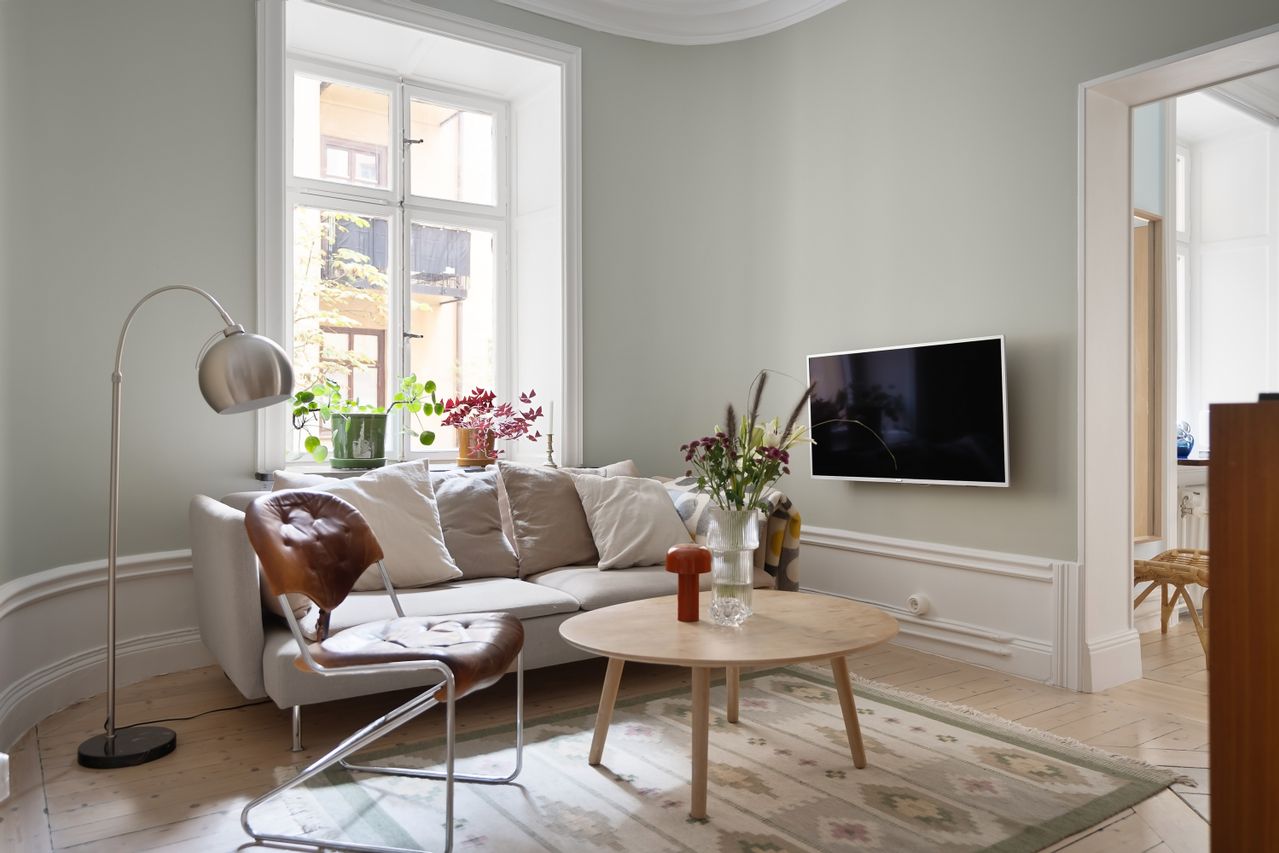
Many people picture contemporary interiors as the polished spaces seen in upscale hotels, modern restaurants, or the beautifully curated homes featured in design magazines and on social media.
Features of Contemporary Furniture
Since contemporary furniture evolves alongside current design trends, its appearance changes over time. Still, many pieces share several defining characteristics.
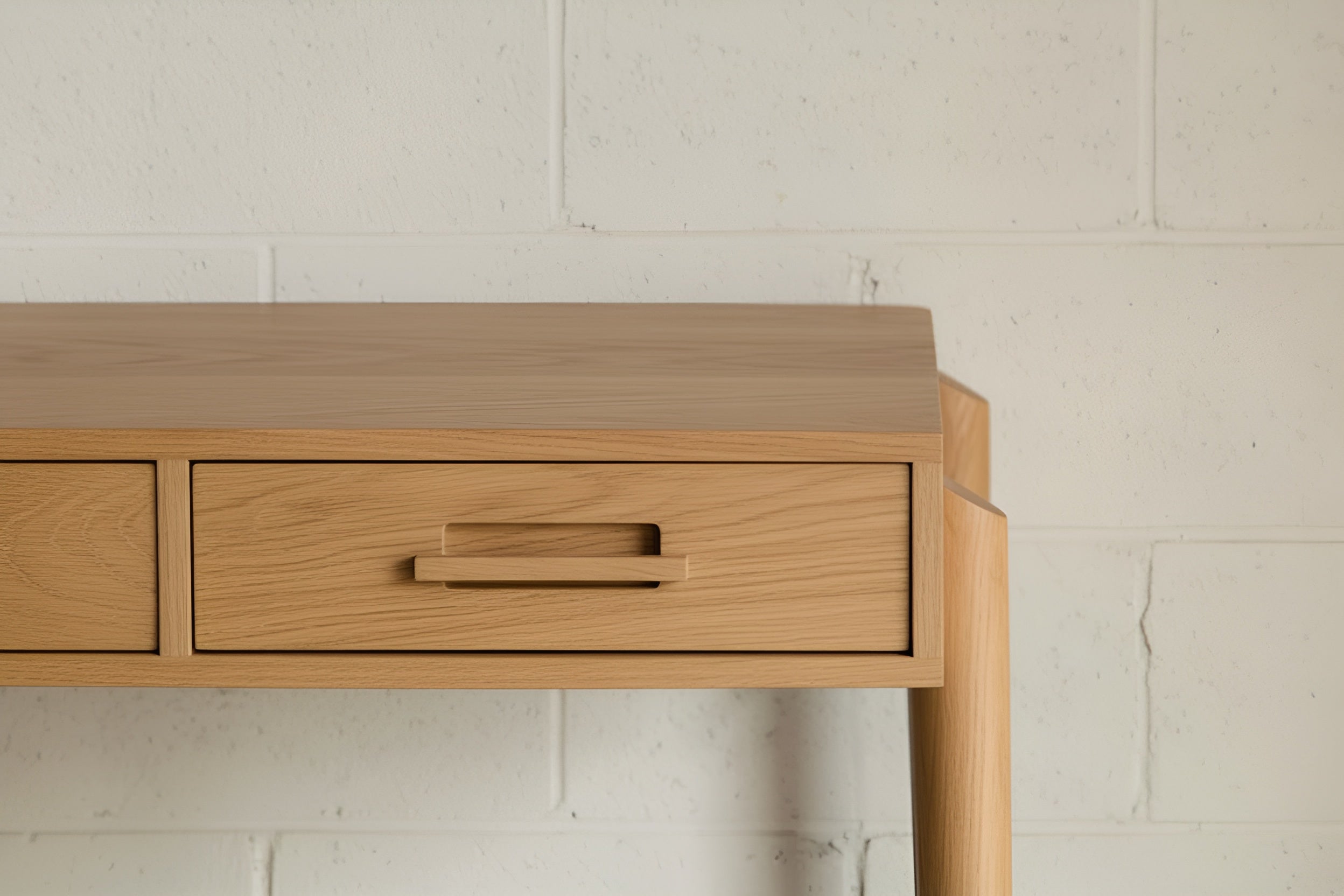
Clean, Streamlined Forms. Contemporary furniture generally favors simple silhouettes without excessive ornamentation. So, furniture often features straight lines, simple shapes, and uncluttered profiles.
A Mix of Materials. Rather than relying solely on wood, contemporary furniture often combines different materials. Glass, metal, stone, concrete, and upholstered fabrics are frequently paired together to create visual interest and contrast.
Neutral Colors with Bold Accents. Many contemporary spaces start with neutral colors such as white, gray, beige, black, or taupe. As such, furniture, specifically the upholstered ones, tends to have neutral colors, too. The pops of color come in through artwork, decor, and accent furniture.
Comfortable Simplicity. While contemporary furniture embraces minimalism, it isn't necessarily stark. Today's designs often soften clean lines with plush upholstery, rounded edges, and inviting fabrics that make spaces feel both stylish and cozy.
What Is Transitional Style?
Transitional style lives in the space between traditional and modern, not fully committed to either, but drawing the best from both. It blends elements from multiple design eras into a look that feels timeless rather than trendy, with an emphasis on comfort and personal expression, making it a favorite among designers and homeowners alike.
Traditional style is a major building block of this blend. While traditional interiors lean on formal elements from the 18th and 19th centuries—think of classic artwork, wainscoting and arches, and antique furniture—transitional refreshes those elements by pairing them with contemporary ones. That's why transitional space often carries subtle curves and gentle ornamental details reminiscent of classic design, even within an otherwise clean, modern setting. Unlike contemporary style, which tends to feel instinctively current, transitional style often feels nostalgic and cozy, without being tied to a very specific time. It isn't outright traditional or modern.
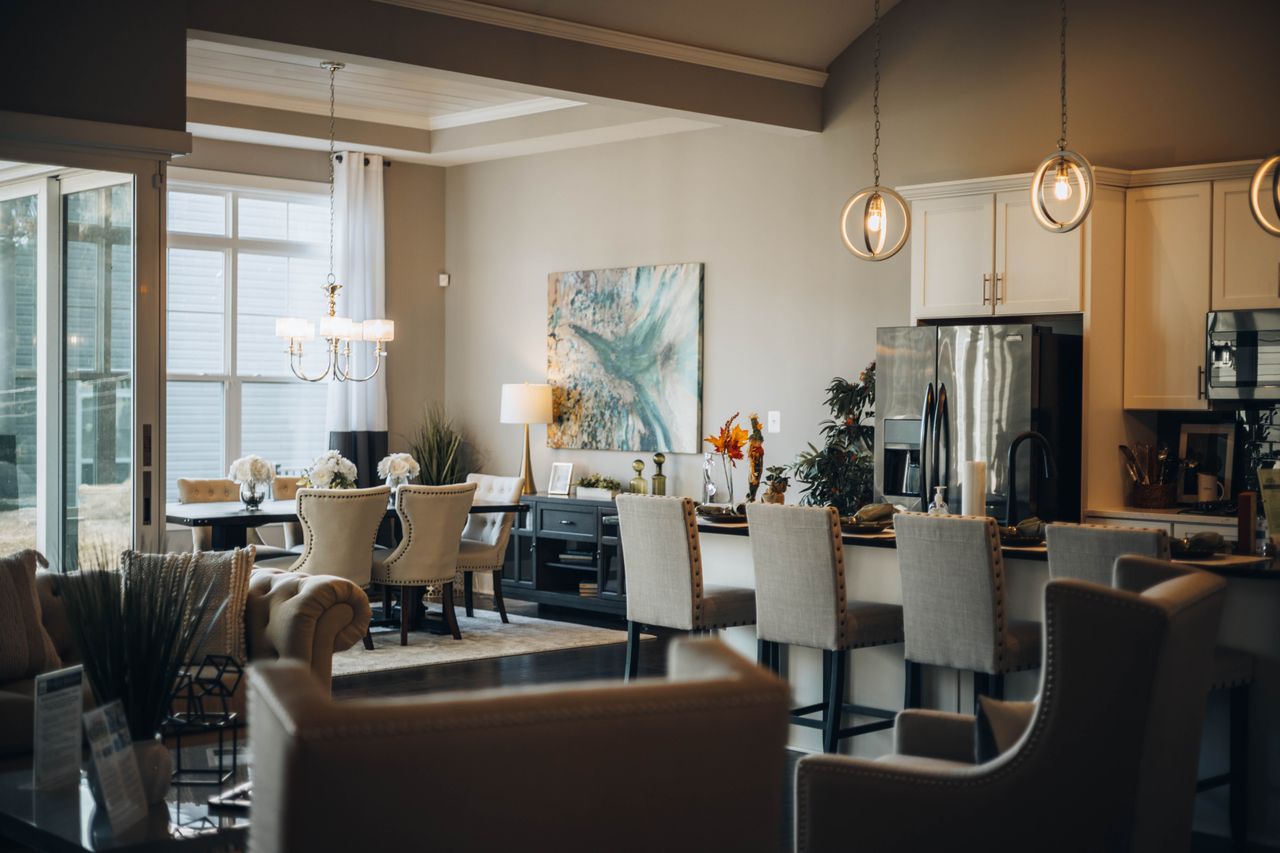
Imagine a traditional roll-arm sofa but less bulky and upholstered in a crisp, neutral color, a pair of sleek metal floor lamps flanking an antique wood side table, and a sleek glass coffee table sitting atop a richly patterned Persian-style rug. Each piece feels distinct on its own, yet together they create a polished, cohesive look that belongs to no single era.

Photo by Curtis Adams from Pexels
Features of Transitional Furniture
Furniture plays a central role in pulling off a successful transitional interior, and a few defining traits tend to show up again and again.
Balanced Silhouettes. Transitional furniture often pairs straight lines with softer curves in the same piece. A sofa might have clean, structured arms alongside gently rolled cushions, or a dining chair might carry classic shaping without any elaborate carving.
Timeless Details. That same restraint carries through to ornamentation. Transitional furniture sits between the heavy detailing of traditional pieces and the stripped-back look of contemporary design, favoring subtle accents over anything ornate. Sometimes, transitional furniture looks like a pared-back version of the traditional piece it's inspired by.
Warm, Neutral Color Palettes. Color tends to follow the same understated approach. Soft whites, creams, grays, taupes, warm browns, and muted earth tones create a comfortable backdrop that lets traditional and contemporary elements sit together without competing for attention.
Layered Textures. Since transitional style avoids bold ornamentation, texture is often what gives a room its depth instead. Natural wood, woven fabrics, linen, leather, chenille, and subtle patterns layer together to add richness while keeping the overall feel relaxed rather than busy.
Curated Rather Than Matched. Not every piece needs to blend traditional and modern elements on its own—more often, the transitional look comes together through the room as a whole. A sleek wooden dining table might be paired with more traditional upholstered chairs, or a classic sofa might sit comfortably beside contemporary lighting and artwork. It's the overall composition, not any single piece, that strikes the balance.
Contemporary vs. Transitional Furniture Style
| Contemporary Style | Transitional Style | |
|---|---|---|
| Overall Feel | Reflects current design trends | Blends traditional and contemporary influences |
| Silhouette | Constantly evolves and emphasizes clean lines and simple forms | Designed to remain timeless and balanced, with subtle elegance |
| Material | Frequently mixes innovative materials, such as glass, metal, stone, wood, and plastic | Natural wood, woven fabrics, linen, leather, chenille |
| Color Palette | Neutral base with bold accent colors through accessories | Warm neutrals such as white, cream, taupe, and brown, and pastels |
| Best For | Those who want a fresh, current look | Those who want a timeless, layered look |
Although both styles borrow inspiration from multiple design movements, they approach design from very different perspectives.
The biggest distinction lies in their purpose. Contemporary style looks forward. It embraces what is current and continues to evolve as tastes change. The transitional style looks for balance. Rather than following trends, it blends familiar, classic elements into spaces that remain appealing year after year.
***
Whether you gravitate toward contemporary or transitional furniture, quality craftsmanship should remain the priority. Well-built furniture simply allows great design to stand the test of time. Styles may evolve, but furniture made with exceptional materials and construction methods continues to serve beautifully through changing trends, and sometimes that's all you need.
Featured Photo by Samuel Peter from Pexels