Solid wood bedroom furniture is built for the long haul, but not all pieces are made the same. Understanding what separates a well-made piece from an average one can help make your investment worthwhile. Here’s what to consider before you buy and what to look for once you’re in the showroom.
Tips Before You Buy
1. Take stock of what you really need.
Before you start shopping, audit the room. You may already have a bed you love and only need storage to match, or you may have accumulated a nightstand and dresser but still need the bed itself. Knowing what gaps you're filling, rather than starting from scratch, saves time and keeps you from buying pieces that don't work together. If the space is empty, prioritize the bed before any other piece of furniture. Everything else is arranged around it.
2. Find a Spot for the Bed First
Before purchasing anything, decide exactly where your bed will go. Then determine the size that best fits your space. Do you need a queen bed, or can your room comfortably accommodate a king?
A simple trick is to mark the bed's dimensions on the floor using painter's tape. This gives you a realistic visual of how much floor space the bed will occupy and how much room remains for other furniture. You may discover that upgrading to a king leaves little room for nightstands, or that downsizing slightly creates a much more comfortable layout. It takes ten minutes and can save you from a costly mistake.
What to Look for in Solid Wood Bedroom Furniture
Solid wood furniture is often considered the gold standard of furniture construction, particularly in the bedroom, where pieces see daily use and long-term wear. However, not all furniture marketed as "wood furniture" is actually solid wood. Understanding the difference can help you make a smarter investment.
1. The Quality of the Material
Solid wood is the gold standard for bedroom furniture, but not all furniture sold as "wood" is actually solid through and through. Many pieces, even well-priced ones, are made from engineered wood, like particleboard or MDF, with a thin veneer or plastic laminate surface. While these materials can look attractive when new, they generally don't offer the same longevity as genuine solid wood.
For pieces that see heavy, daily use, it's worth being meticulous about the material, especially if you're eyeing solid wood. This is particularly important for bed frames. Using lower-quality materials and poor construction can lead to sagging slats and loose joints, which can affect mattress support and, eventually, your sleep.
Here’s what to check:
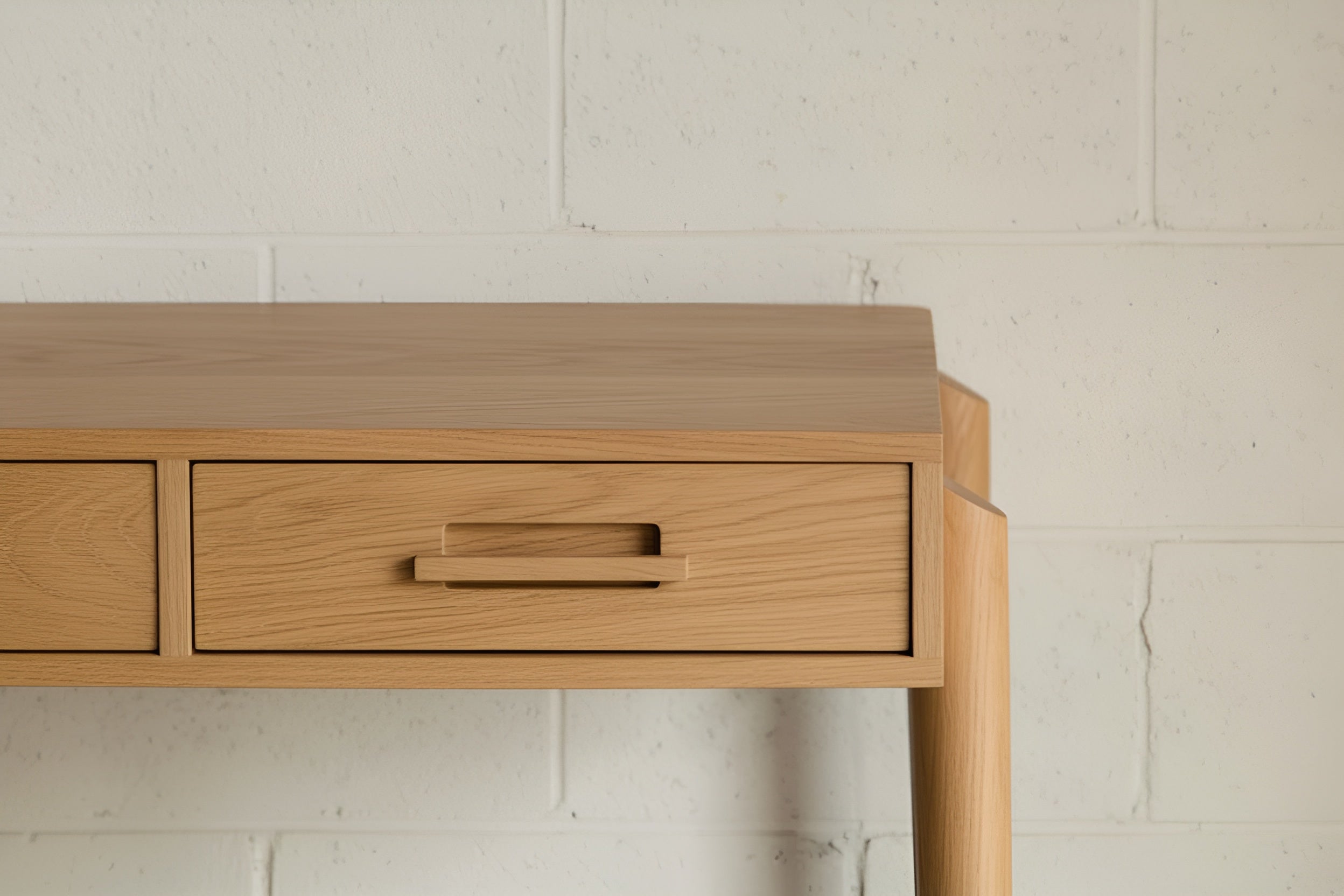
✤ Look at the end grain. On real hardwood, the grain pattern on the surface should transition naturally into the end grain. While the appearance changes from smooth grain lines to a more porous, ringed texture, the character of the wood should still feel continuous across the corner.
✤ Check the grain pattern. Authentic solid wood has unique grain patterns, small knots, and slight color variation from one board to the next. If the pattern looks machine-perfect or repeats identically across the surface, it's likely a printed veneer.
✤ Look at the parts you're not supposed to see. Flip a drawer box over and look at its base. Check the back panel of a dresser. On a bed frame, look at the slats. Are they solid wood or thin laminate? Quality solid wood construction is consistent even in the areas that don't face the room.
2. The Craftsmanship
Even the finest hardwood can be wasted if the craftsmanship is poor. Quality bedroom furniture combines excellent materials with thoughtful construction and attention to detail. Look for traditional joinery methods and strong mechanical connections where structural strength matters.
On drawers, check for dovetail joints, which are interlocking wedge-shaped cuts, very reliable when made well. Pieces that rely entirely on staples, glue, or nails at the corners will loosen with use over time. For frames and structural joints, mortise-and-tenon construction is the traditional benchmark for strength and longevity. Finally, give the piece a gentle push, apply some force, and feel for movement. High-quality solid wood construction is stable and doesn't creak under light pressure.
3. The Type of Wood
Solid wood can be either softwood or hardwood. For bedroom furniture, hardwood is generally the better investment as it’s more durable and resistant to wear. At T.Y. Fine Furniture, we work primarily with Cherry, Walnut, Maple, and White Oak, the four species we've found to hold up beautifully over time. Each has its own character:
✤ Cherry is one of the most popular domestic hardwoods, widely known for its warm, reddish-brown color that deepens beautifully over time.
✤ Walnut is highly prized for its gorgeous, dark brown heartwood, which often features subtle hints of purple, grey, or reddish streaks.
✤ Hard maple is one of the hardest domestic hardwoods available, best recognized by its clean, light, and creamy color profile.
✤ White oak offers remarkable structural strength, a neutral light brown color with prominent ray flecks, and natural moisture resistance.
It's also worth noting that you don't have to feel obligated to match every piece perfectly. Mixing wood species can create visual interest and help your bedroom feel more collected and personal.
4. The Finish
The finish on a piece of furniture matters more than most people realize, especially for pieces used every day. Film-forming finishes like polyurethane create a hard plastic layer over the wood, which looks clean and is easy to wipe down, but is difficult to repair when scratched or worn through. A spot repair almost always requires stripping and refinishing the entire surface.
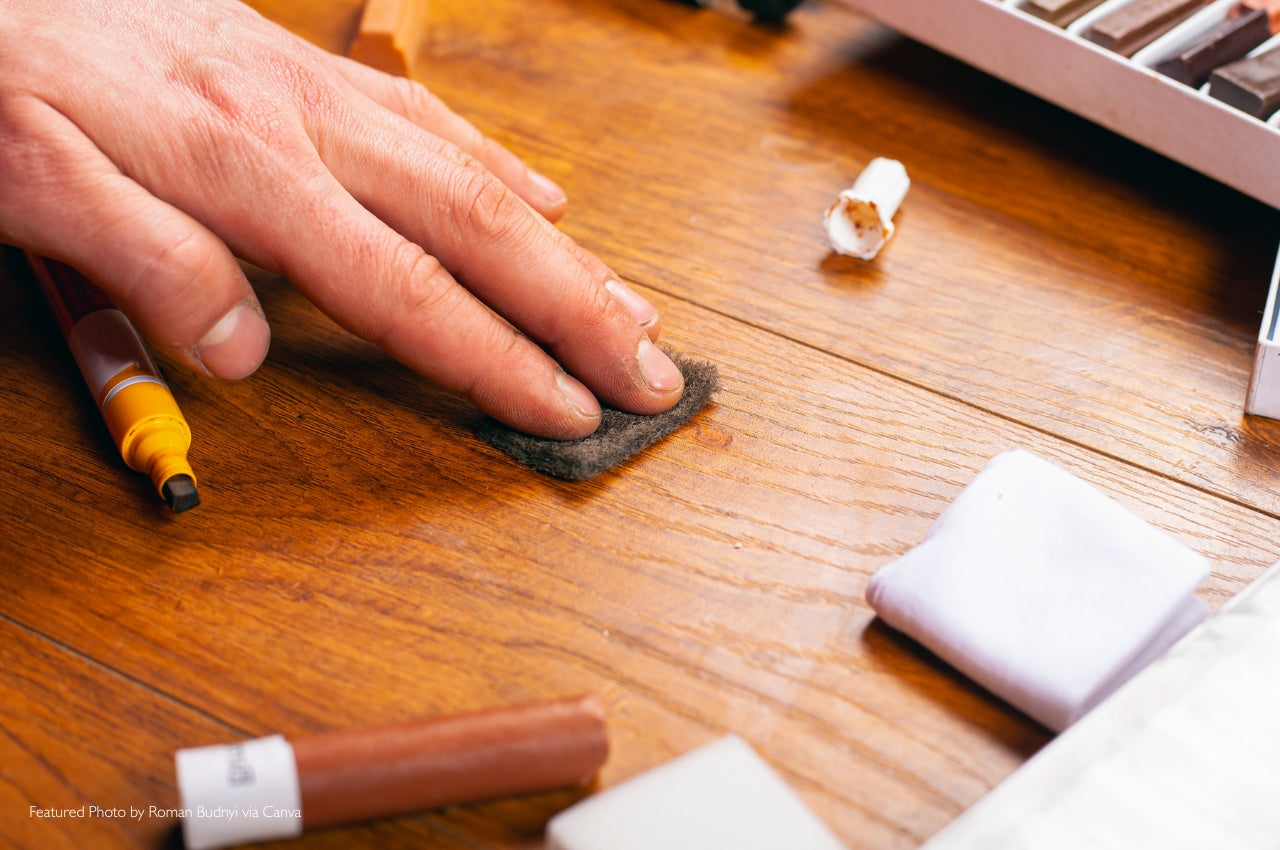
Oil and wax finishes work differently. They penetrate the wood rather than sitting on top, which means they protect from within and are far easier to spot-repair when damage occurs.
What to Look for in Bedroom Furniture by Piece


Bed Frame
A strong and stable bed frame keeps your mattress in shape and supports your sleep.
Look for:- Strong slats or platform supports
- Sturdy center support systems
- Durable joinery and hardware
- A headboard that provides both visual presence and structural stability
Storage Pieces
Storage pieces like dressers and armoires handle significant weight every day. Ensure that they feel planted and stable, not prone to tipping forward.
Look for:- Smooth-gliding drawers
- Solid drawer construction
- Stable, tip-resistant designs
- Strong, solid case construction
Note: These pieces should be anchored to the wall in a home with children.


Nightstands
A nightstand should be more than decorative.
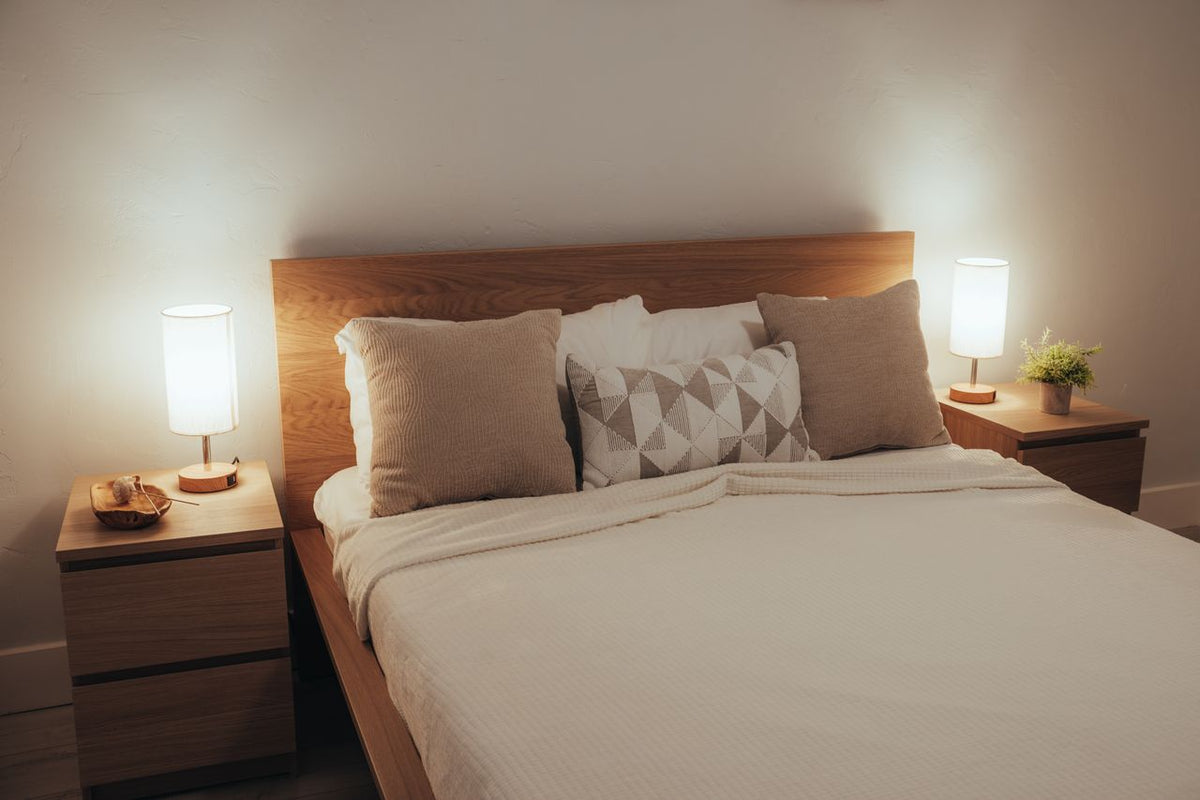
Look for:- Enough surface space for everyday essentials
- Convenient storage options
- Practical proportions relative to your bed
- Durable construction that withstands daily use
Bedroom Chairs
A chair can make the room feel more complete and functional.
Look for:- Comfortable seating
- A scale appropriate to the room
- A design that complements the rest of the furniture