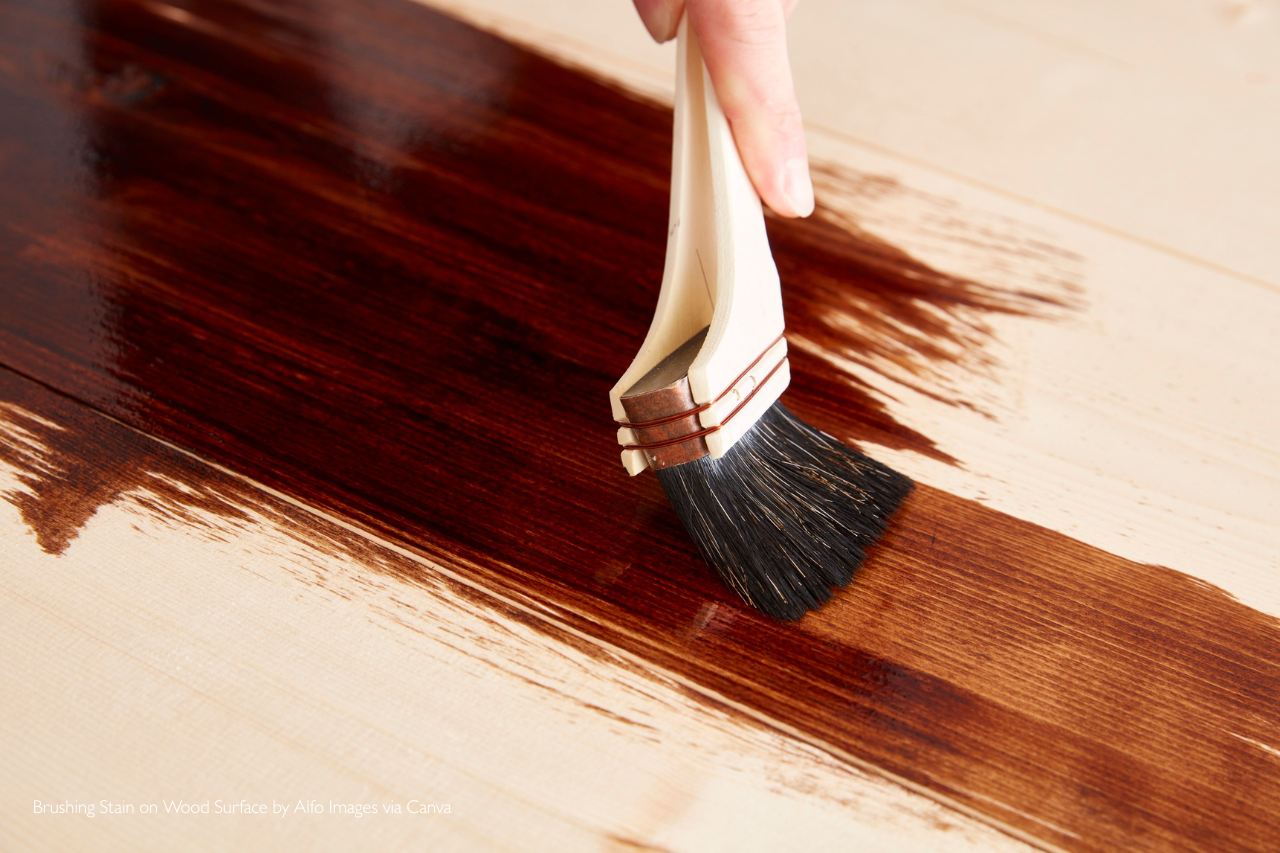
When it comes to high-quality wood furniture, the finish truly matters. A good finish doesn’t just enhance the beauty of the grain; it also protects the wood itself, extends its lifespan, and helps the piece age with character.
Among the many options available, two oil-based wood finishes stand out: teak oil and linseed oil. Both are known to highlight the beauty of natural hardwood, but each offers distinct benefits. Understanding how they work can help, especially if you’re trying to maintain your wood furniture. So, let’s dive in.
What is Teak Oil?
Despite what the name suggests, teak oil isn’t actually derived from teak wood. It’s typically a mix of linseed oil or tung oil, solvents like mineral spirits, and other additives that make it more protective. This blend was specifically formulated to penetrate dense hardwoods that are often used for outdoor furniture, such as teak and mahogany.
Teak oil is mainly used for protection. It enhances the wood’s natural resistance to moisture, and additives like UV inhibitors and mildewcides add an extra layer of defense against the elements. Because of this, teak oil is commonly used outdoors where exposure to sun, rain, and humidity is a constant concern.
Visually, teak oil deepens the wood's color, giving it a slightly richer and warmer tone while maintaining a natural, low-sheen finish. It does not form a thick film on the surface. Instead, it soaks deeply into the wood grain, providing protection and nourishment from within.
What is Linseed Oil?
Linseed oil is derived from flax seeds and has been used for centuries as a wood finish. In its pure, unmodified form, linseed oil is one of the most natural wood finishes available. Because it’s not as viscous as other oils, linseed oil goes deeper into the wood grain.
Instead of drying into a thick, protective film over the wood surface, linseed oil works by saturating the wood grain and hardening (through polymerization) within the fibers. This helps strengthen the material from within.
Linseed oil is commonly used for indoor furniture, nourishing it as it ages, without needing to build protection from harsh conditions. It’s especially appreciated in solid-wood pieces, where craftsmanship and natural beauty are meant to be the focus.
Learn about organic furniture with a food-grade finish here.

Teak Oil vs Linseed Oil
Teak oil and linseed oil are both used to enhance and protect wood, but they’re both formulated with different goals in mind. Teak oil is typically a blend designed for greater resilience, especially in outdoor conditions, while linseed oil is valued for its ability to nourish wood and bring out its natural character, often in indoor settings.
Quick comparison
Composition
→ Teak oil: A blend of oils, like tung oil or linseed oil, and solvents formulated for performance
→ Linseed oil: The pure form is derived from flaxseeds; the modified form contains linseed oil and additives
Best use
→ Teak oil: Outdoor furniture or areas with moisture exposure
→ Linseed oil: Indoor furniture and low-exposure environments
Finish quality
→Teak oil: More protective, deepens color, better resistance to moisture
→ Linseed oil: Softer, more natural look, enhances grain and warmth
Maintenance
→ Teak oil: Reapply once or twice a year, depending on the level of exposure
→ Linseed oil: Reapply once or twice a year to maintain the natural sheen
***
At T.Y. Fine Furniture, our solid wood pieces are built to last a lifetime, even more. The finish we apply is just as important as our choice of hardwood and construction methods. This is why we only use our own signature VOC-free organic wood finish. It's a blend that developed over time, rooted in an understanding of how different finishes interact with natural wood. We believe that understanding the various types of finishes is something that you might also appreciate as you care for your own furniture.