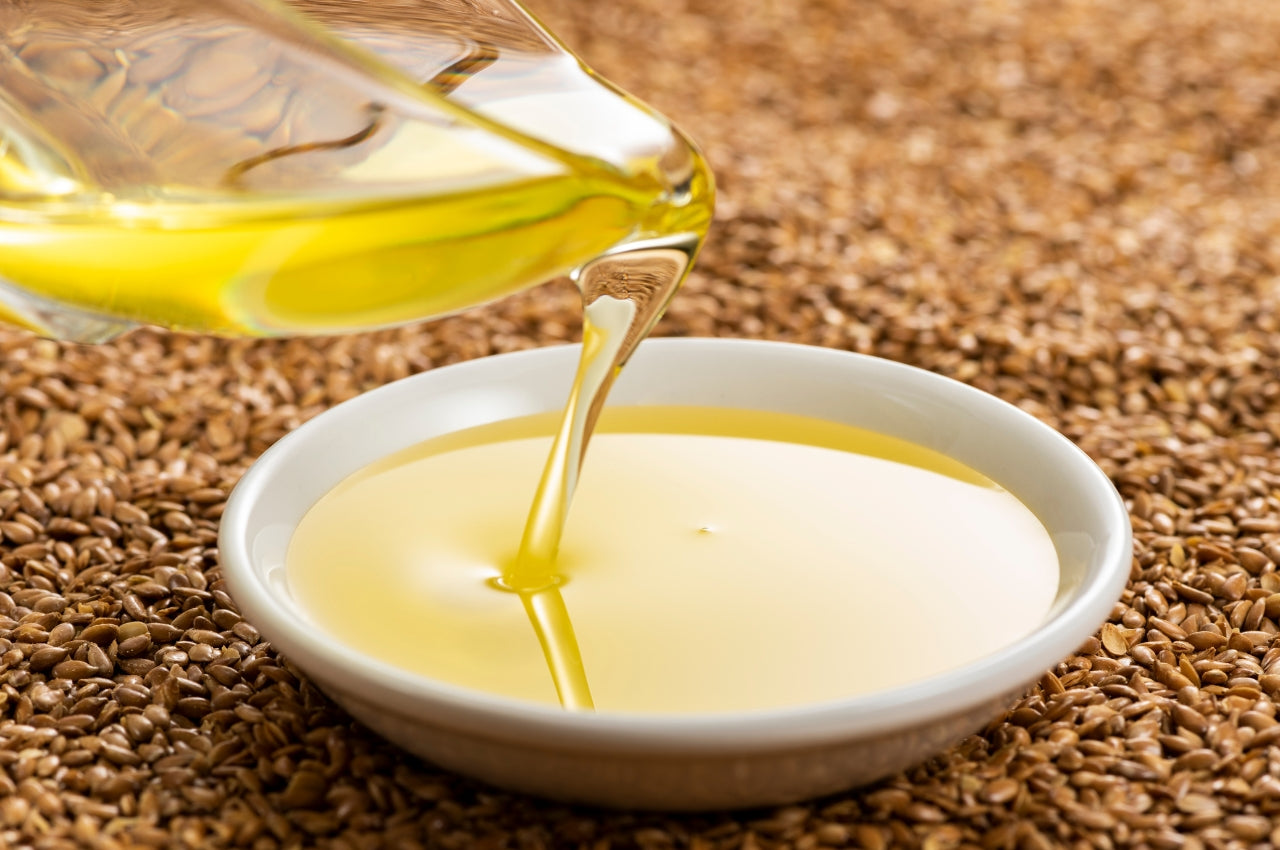
Way before fast-drying, synthetic wood finishes became the norm in furniture finishing, craftsmen relied on what was available in nature. Wood finishes were made from a mix of ingredients such as shellac, turpentine, beeswax, and, yes, linseed oil and tung oil. These are names you’re likely already familiar with in your trips to the hardware store.
It’s worth noting, however, that before the 20th century, these materials were used in their pure form, perhaps mixed with other natural ingredients, even metallic driers or siccatives, but not polyurethane. This distinction matters because to truly understand what “natural finishes” are, or wood finishes in general, we have to go back to their raw ingredients. Chances are, the labels on the cans, especially those marketed as “linseed oil” and “tung oil”, hardly represent the value of these ingredients. Let’s get to know them better so we can appreciate them.
In this post, we’re taking a closer look at two of the most enduring ingredients for oil-based finishes, linseed oil and tung oil.
What is Linseed Oil?
Linseed oil comes from the seeds of flax (Linum usitatissimum), a flowering plant believed to have originated in West Asia. Flax is one of the earliest domesticated crops, with evidence of cultivation in the Fertile Crescent dating back as far as 9,000 years ago, and later in China and India. It’s a remarkable plant that produces not only linseed oil, but also the natural fiber, linen. Moreover, its seeds and oil have also long been used for food.
In its raw and unaltered form, linseed oil is one of the most natural wood finishes available. The oil has a relatively low viscosity, allowing it to penetrate deeply into the wood grain and nourish the fibers. Over time, it hardens through a process called polymerization, which occurs due to a chemical reaction with oxygen.
What is Tung Oil?
Tung oil is a plant-based oil extracted from the seeds of the tung tree, also known as kalo nut tree (Vernicia fordii). Native to China, Myanmar, and Vietnam, the species has been valued for its wood-sealing properties. For thousands of years, tung oil was used in China as an ingredient in lime mortar for masonry, caulk to waterproof ships, and as a coating for furniture and umbrellas.
Similar to linseed oil, tung oil polymerizes when exposed to air and cures into a protective film on wood. It has a slightly higher viscosity than raw linseed oil, which means it tends to stay closer to the surface and builds a harder, more water-resistant barrier.
Key Differences Between Linseed Oil and Tung Oil
Consistency
In their raw forms, linseed oil and tung oil are noticeably different. Raw linseed oil is thinner and more fluid, which is why it permeates deeper into the wood. Tung oil is slightly more viscous, and while it can also seep into the wood grain, its thicker consistency helps it build a more protective film over the surface. Both can be applied by hand with a cloth, but tung oil requires a little more work to get into the grain.
Sheen and Color
Both oils produce a natural, low-sheen finish, but there are subtle differences as they cure. Linseed oil adds more warmth in a light amber or honey tone to wood. This is especially noticeable on lighter woods like hard maple or pine. Meanwhile, tung oil dries to a more neutral, slightly matte finish, though it can also add more warmth to wood, depending on the species. When raw, neither produces anything close to the glossy, plastic-like appearance of a polyurethane finish.
Curing Time
Raw linseed oil cures slowly. Depending on temperature and humidity, it can take anywhere from a few days to weeks to cure properly. It also tends to stay tacky if applied too quickly. Tung oil cures faster, typically within a few days per coat, though it still requires more patience to apply compared to synthetic blends. Multiple coats are recommended for both
Durability and Water Resistance
When it comes to water resistance, tung oil has the edge because it forms a protective film on the wood surface. This helps repel moisture and serves as a thicker barrier against daily wear. Linseed oil, while also durable, is more permeable to moisture, especially with prolonged exposure. It benefits more from regular reapplication to maintain its protective qualities.
That said, both finishes are easy to maintain; a fresh coat wiped on the surface, once or twice a year, is typically all that’s needed to keep the wood furniture looking good.
Not all linseed oil and tung oil products are the same, and it’s worth understanding the differences before buying. Even when labels seem clear, it’s still important to look into the brand and check the ingredients to ensure you’re getting the product you actually want.
Understanding Linseed Oil Varieties
Raw linseed oil. This is the purest form, unaltered and food-grade, and exactly what comes from the flax plant. It’s the slowest to cure but the most natural.
Polymerized linseed oil is raw oil that has been heated under controlled conditions to partially activate the polymerization process before application. This produces a slightly thicker oil that dries faster and builds a harder film, without the need for synthetic additives. It’s the most practical natural option for furniture finishing.
Boiled linseed oil is the common term for linseed oil that was heated to speed up drying. Today, this term often applies to industrial blends that contain only a small percentage of the raw oil, with the remainder consisting of metallic driers and polyurethane. The added ingredients significantly accelerate the curing time, but the product is no longer food-safe or truly natural.
Understanding Tung Oil Varieties
Pure tung oil is extracted directly from the tung tree with no additives. It's the slowest-drying of the tung oil options, but the most natural and food-safe when fully cured.
Polymerized tung oil has been pre-heated to speed up the curing process, resulting in a thicker, faster-drying finish. This is similar in principle to polymerized linseed oil.
"Tung oil finish." Many products sold under this label contain very little actual tung oil. They're often blended with synthetic resins or polyurethane to improve drying time and durability. Labels rarely disclose the actual composition, so if purity matters to you, it's worth researching the brand.
Learn about our organic, food-grade finish here.
Which is Better, Linseed Oil or Tung Oil?

If water resistance and a harder surface film are your priorities, tung oil has a slight advantage. It builds a more resilient barrier closer to the wood's surface and is particularly well-suited for pieces that see regular moisture exposure.
If deep wood nourishment is what you're after, linseed oil is the stronger choice. Because of its lower viscosity, pure linseed oil penetrates more deeply into grain rather than primarily coating the surface, protecting from the inside out.
For our own organic wood finish, we use flaxseed oil as the base of the Oil Blend variety. We find it more nourishing to the material, and in our experience, wood finished with a high-quality flaxseed oil develops a richer, more beautiful patina over time. For best results, pair it with our Wood and Furniture Balm. It's ideal for polishing, scratch repair, reviving worn surfaces, and adding an extra layer of protection on the surface.
Linseed Oil and Tung Oil FAQs
How long does linseed oil dry?
Raw linseed oil is one of the slowest-drying natural finishes. It can take several days to a few weeks to cure fully, depending on temperature, humidity, and how thickly it’s applied. Polymerized linseed oil dries faster, but without metallic driers and synthetic additives, it may still take a while to cure.
Can linseed oil be used on cutting boards?
Raw, food-grade linseed oil, or its unaltered equivalent, flaxseed oil, is safe for cutting boards when fully cured.
Commercial boiled linseed oil, which contains metallic driers and synthetic additives, isn’t food-grade and shouldn’t be used on surfaces that come in contact with food.
Which is better for sealing wood, tung oil or linseed oil?
Pure tung oil generally provides a better surface seal due to its higher viscosity and harder film. This is backed by history, when it was used as an ingredient in caulking on wooden ships. But linseed oil, especially with maintained application, helps wood furniture build more resistance to moisture over time.
Why is tung oil expensive?
Tung oil is more expensive than linseed oil primarily because of its sourcing. The tung tree is native to limited areas in the world, mainly China and parts of South America, compared to flax, which is more widely cultivated today.